
When organizations invest in rugged tablets, procurement decisions often focus on processing power, rugged certifications, security, connectivity, and long-term reliability. While these are all important considerations, one critical component is frequently overlooked during the budgeting process: the battery.
Unlike the rugged tablet itself, batteries are consumable components with a finite lifespan. Depending on usage patterns, environmental conditions, and charging habits, lithium-ion batteries typically provide between one and three years of optimal performance. For organizations planning a four to five-year technology refresh cycle, battery replacement should be viewed as an expected operational expense rather than an unexpected cost.
Building a battery strategy into your IT fleet deployment from the beginning helps reduce downtime, improve productivity, and maximize the return on your technology investment.
Budget Beyond the Initial Purchase
A rugged tablet is precision-engineered to serve as a reliable tool that supports critical workflows in industries such as healthcare, public safety, utilities, manufacturing, logistics, and defense. Because these mobile computers are expected to remain in service for many years, organizations should also plan for the ongoing maintenance of the components that naturally wear over time.
Batteries experience gradual capacity loss with every charge cycle and will continue to age whether they are actively used or sitting in storage. Waiting until batteries begin failing in the field often leads to emergency purchases, unplanned downtime, and disruptions to daily operations.
Instead, organizations should include replacement batteries in their long-term technology budget, just as they would any other consumable component. Planning ahead creates more predictable operating costs while helping ensure that employees always have dependable equipment available when they need it most.
Best Practices for Managing Battery Fleets
A proactive battery management strategy extends well beyond simply replacing batteries when they stop working. Implementing a few best practices can help maximize battery performance while reducing long-term operating costs.
Organizations should:
- Rotate batteries regularly rather than relying on the same battery continuously.
- Store spare batteries properly and avoid leaving them fully discharged for extended periods.
- Avoid keeping batteries at a constant 100% charge for long-term storage whenever possible.
- Monitor battery performance throughout its lifecycle rather than waiting for complete failure.
- Replace aging batteries before declining performance begins impacting productivity in the field.
These practices not only extend battery life but also improve operational readiness across an entire tablet fleet.
Why Precision-Engineered Tablets Deliver Greater Long-Term Value
Battery budgeting becomes even more effective when the hardware itself is designed for long-term serviceability.
DT Research develops precision-engineered tablets with reliability, longevity, and maintainability at the core of the design philosophy. Rather than chasing every emerging technology trend, products are carefully engineered using proven, dependable components that support extended product lifecycles and consistent performance in demanding environments.
This long-term approach benefits customers in several ways. Longer product availability simplifies technology planning, while standardized components across multiple product families can streamline inventory management and maintenance. Equally important, serviceable designs help organizations perform repairs and component replacements more efficiently, extending the usable life of their technology investments.
For enterprise tech fleets, reliability isn’t simply about surviving harsh environments. It’s about delivering predictable performance year after year while minimizing unexpected operational costs.
Planning Ahead with Battery Health Monitoring
Modern battery management extends beyond replacing batteries on a fixed schedule. Monitoring battery health provides valuable insights into overall fleet readiness and helps organizations make informed replacement decisions before performance issues arise.
As battery capacity declines over time, organizations can proactively identify batteries approaching the end of their useful life rather than waiting for unexpected failures. Many IT fleet managers begin planning replacements when battery health falls below approximately 80% of its original capacity, allowing maintenance to be scheduled during planned service intervals instead of emergency repairs.
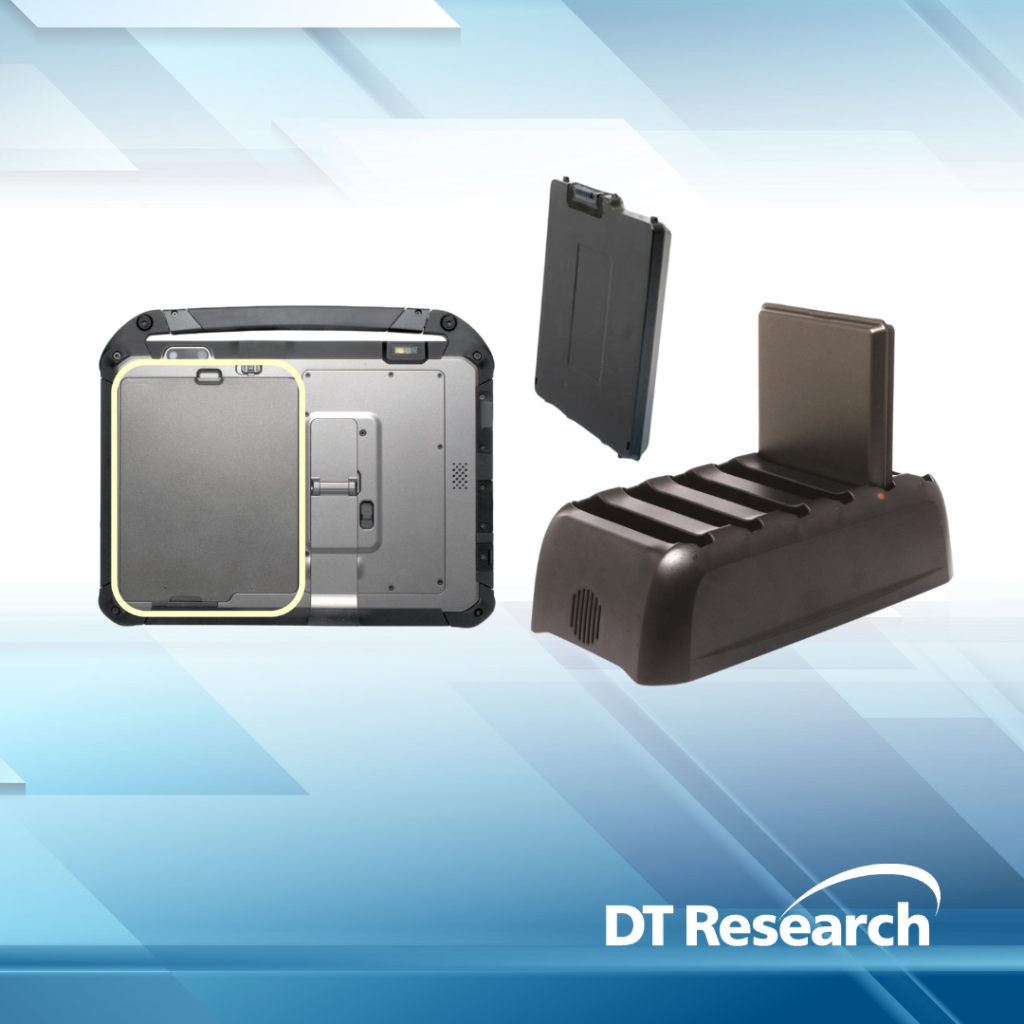
Combined with hot-swappable batteries, proactive battery health management helps keep workers productive by reducing unnecessary downtime and ensuring continuous operation during mission-critical tasks.
A Smarter Approach to Battery Fleet Management
Effective battery budgeting is about far more than purchasing replacement batteries. It requires a long-term strategy that combines proactive planning, sound battery management practices, and investments in precision-engineered tablets designed for extended service life.
By treating batteries as a planned lifecycle component rather than an unexpected expense, organizations can improve operational efficiency, reduce total cost of ownership, and keep their rugged tablet fleets performing reliably throughout their entire deployment lifecycle.