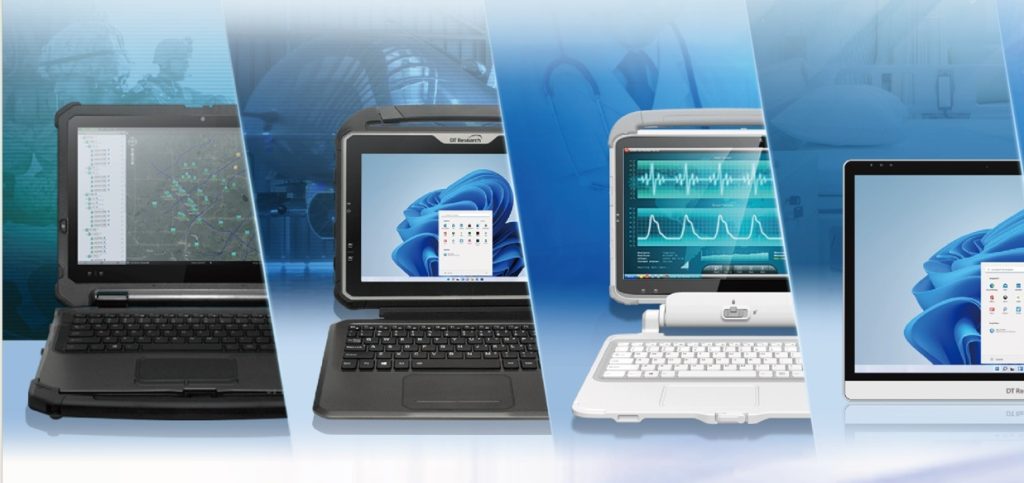
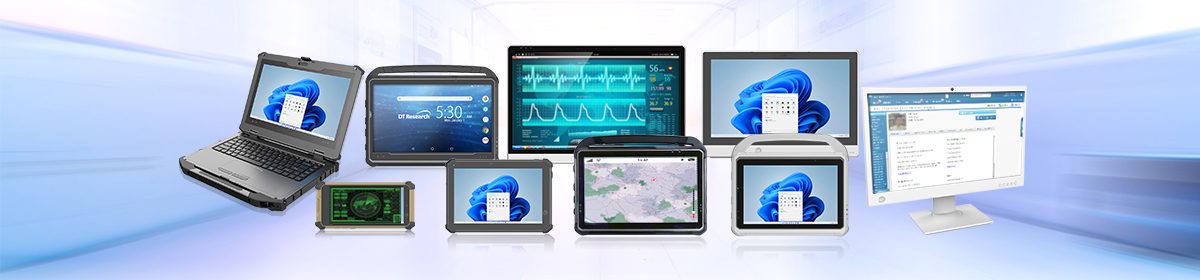
Whether it’s a life-threatening medical emergency, a time-critical delivery, or a manufacturing line down due to a failed component, there’s nothing gained by losing productivity due to dead technology. The rugged tablets used across specialized industries are precision-engineered to endure harsh environments, from extreme vibrations in logistics transport to sterile wipe-downs in medical facilities. However, the true backbone of continuous mobile productivity is the internal power source.
While lithium-ion technology gives enterprise mobile devices high energy density, all batteries are chemical components that experience natural degradation over time. Field deployment teams can significantly extend cell longevity and prevent costly operational disruptions by applying practical fleet maintenance workflows.
The following operational strategies maximize battery reliability and performance across enterprise deployments.
1. Avoid Deep Voltage Depletion
One of the fastest ways to permanently degrade a lithium-ion battery is allowing it to sit empty. Every rechargeable cell operates safely within a specific voltage envelope. When a device drops into deep discharge, internal chemical reactions create irreversible resistance.
To avoid encountering a non-rechargeable battery during an unscheduled work stoppage:
- Do not store field equipment batteries in long-term inventory if possible, and instead perform periodic rotation of spares in and out of service every quarter.
- For inventory sets kept for long-term storage, ensure that the charge level remains approximately fifty percent or half of capacity.
- Implement field team standard operating procedures that mandate plugging in devices before reaching zero percent battery.
2. Eliminate Thermal Stress in Harsh Environments
Extreme temperature exposure causes rapid chemical wear. High thermal environments, like leaving a rugged tablet inside a closed vehicle under direct sunlight, accelerate capacity loss. Conversely, freezing field conditions temporarily drop available output voltage.
While high-quality rugged tablets incorporate thermal dissipation materials within their chassis to buffer internal components, smart operational handling remains vital:
- Avoid exposing mounted vehicle charging stations to excessive heat near air vents, and instead keep charging stations in areas out of direct sunlight.
- Allow batteries that have been subjected to cold weather to warm up to room temperature before trying to charge at higher current rates.
- Schedule swappable battery changes at the end of long shifts in hot summer weather.
3. Make Use of Hot Swappable Battery Options
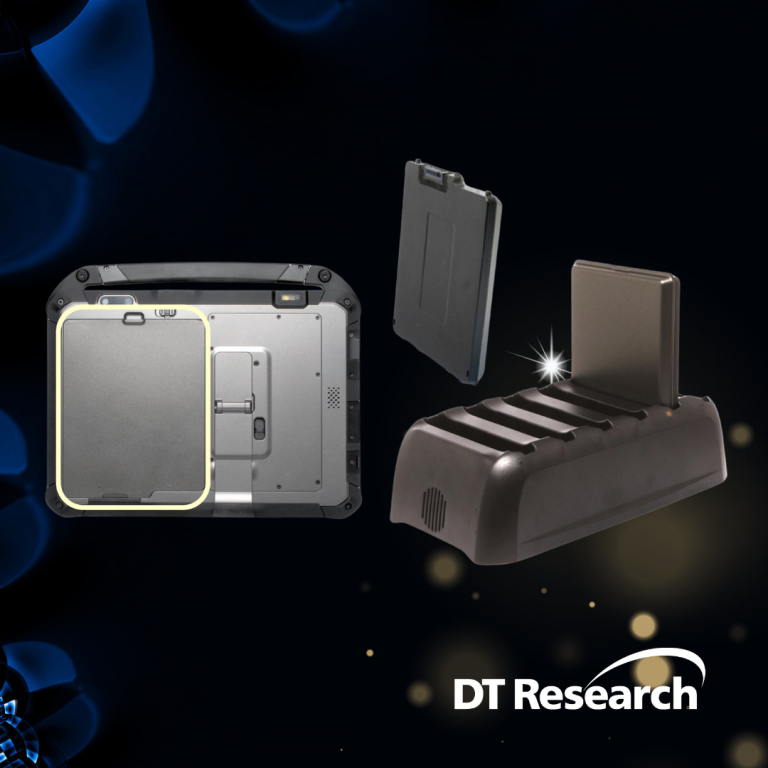
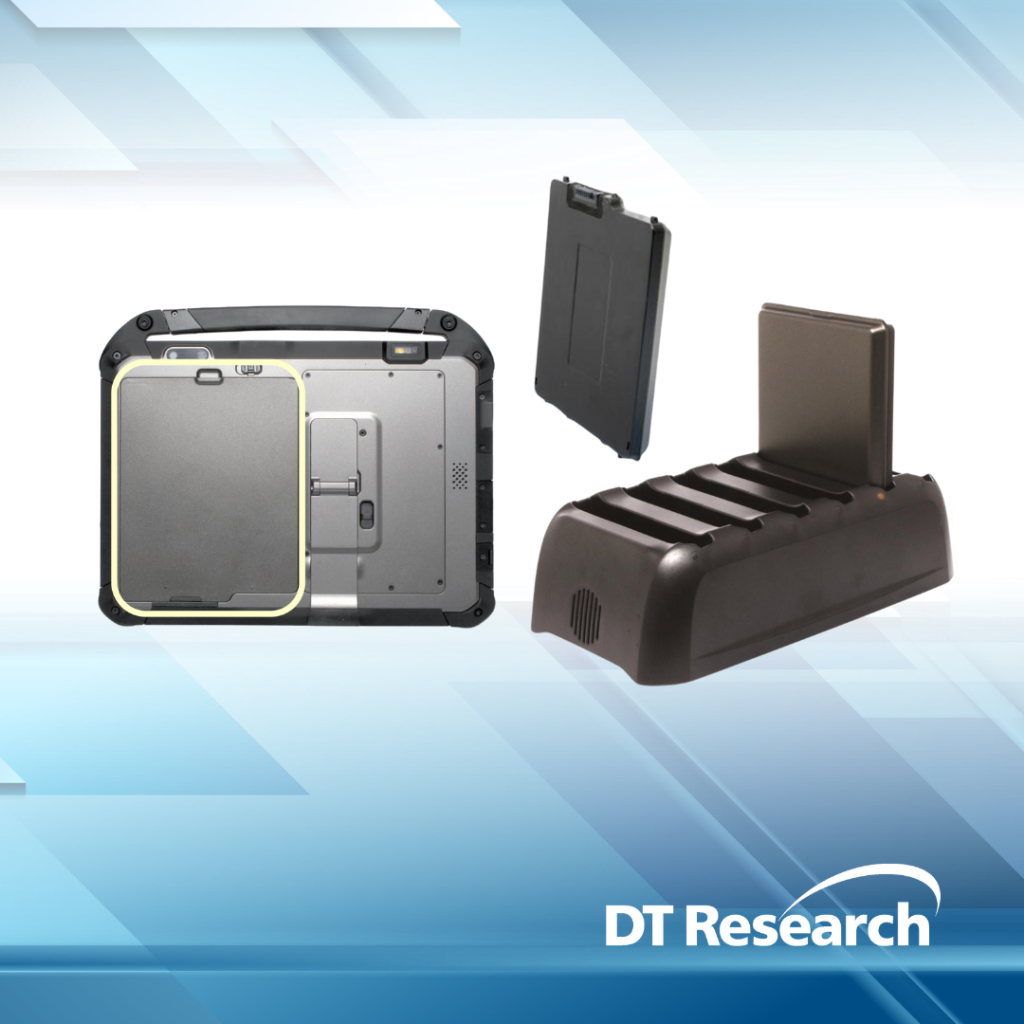
To maximize operational time in the field while avoiding dangerously low capacity discharge events, consider enterprise mobility products that make use of hot-swappable battery systems. The hot-swappable option allows field users to avoid completely draining the main power array by simply exchanging it for a spare battery with a full charge.
In addition to giving field users more time between replacements, the hot-swap option also helps balance the discharge rates for a fleet of tablets.
The benefits of this approach include:
- Load balancing for fleets of rugged tablets by allowing field workers to switch between two sets of spares
- Avoid sudden complete discharges of a device battery that could damage the internal array
- Giving field workers additional time in between battery replacements without the need to wait for a device to completely power down
4. Manage Continuous Charging Environments
In vehicle-mounted setups or fixed wall docks, rugged tablets frequently remain connected to external power sources for extended durations. While modern charge controllers manage intake current automatically, sitting at full capacity indefinitely places continuous voltage stress on cell chemistry.
To optimize battery life on mounted equipment, ensure fleet management protocols incorporate regular undocking cycles or utilize smart charging profiles designed for stationary operations.
Key Takeaways for Enterprise IT Fleet Managers
Maintaining battery health requires combining durable hardware engineering with simple daily habits:
- Inspect battery packs regularly for physical wear or performance drop-offs; replace compromised batteries immediately.
- Keep long-term storage units near room temperature and at balanced charge levels.
- Train field personnel to utilize hot-swap capabilities to avoid deep discharge cycles during extended shifts.
Implementing proactive battery protocols ensures field teams stay connected, operational, and productive no matter where their assignments take them.