
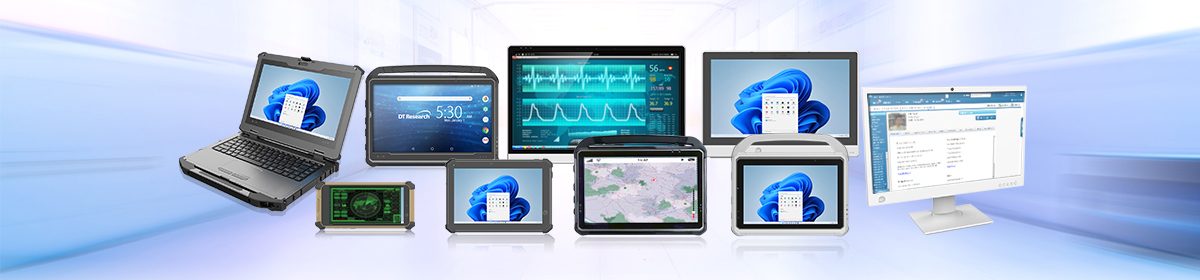

The commercial fleet industry is undergoing a massive transformation. Rapid advancements in vehicle connectivity, predictive maintenance, and telematics are giving fleet operators unique visibility into their day-to-day operations. In an industry report highlighting current trends and challenges in vehicle fleet management, industry experts mapped out the shift toward 5G connectivity, driver assistance technologies, electric vehicle (EV) integration, and the ongoing struggle with driver retention and rising operational costs.
The in-vehicle touchpoint is an important physical link between dispatchers, vehicle diagnostic systems, and drivers. Software and vehicle engineering are often the main topics of these conversations.
Deploying high-end fleet management platforms without equipping crews with purpose-built hardware creates an expensive bottleneck. To fully take advantage of modern fleet technology, operators must replace fragile consumer mobile devices with enterprise-grade rugged tablets engineered specifically for harsh transportation environments.
Overcoming the Cost of Unplanned Downtime
A central topic in modern fleet operations is controlling Total Cost of Ownership (TCO) while maximizing vehicle uptime. When an in-vehicle computer fails, the consequences ripple across the entire logistics chain:
- Electronic Logging Devices lose connection, putting regulatory compliance at risk.
- Real-time GPS rerouting stops, leading to delayed deliveries and fuel waste.
- Digital proof-of-delivery and work order updates stall, delaying billing cycles.
Standard consumer tablets mounted on a dashboard are not built for the road. Sun exposure causes thermal shutdowns, continuous engine vibration damages internal soldering, and accidental drops lead to cracked screens.
Purpose-engineered rugged tablets are tested to strict MIL-STD-810H and MIL-STD-461G standards alongside IP65 ingress ratings. Engineered to withstand constant vehicle shock, extreme temperature swings, and severe weather, rugged computing eliminates hardware failure points.
Empowering Drivers and Improving Safety
Driver shortage remains one of the most persistent operational problems for transportation managers. What used to be just a luxury key driver retention strategy is improving the in-cab experience while fleet managers uphold strict safety protocols to reduce distracted driving.
Rugged mobile tablets directly support driver productivity and cab safety through their purpose-engineered features such as:
- High-Brightness Displays: Direct-bonded indoor/outdoor screens with high-nit displays remain clearly readable under direct sunlight, reducing eye strain without forcing drivers to reposition mounted devices.
- All-Weather Touch Interfaces: Drivers can easily operate screens while wearing gloves or working in rain, snow, and dust.
- Smart Driving Safety Modes: Integrated software allows rugged tablets to blank screens or lock non-essential applications when the vehicle is in motion, ensuring compliance with distracted driving laws while maintaining voice-guided navigation.
- Seamless Docking to Field Mobility: With quick-release vehicle mounts and integrated barcode scanners or RFID readers, a driver can instantly transition from vehicle navigation to carrying the tablet out of the cab for cargo inspection, asset tracking, or maintenance log updates.
Maximizing the Value of 5G Telematics and Real-Time IoT
The widespread rollout of 5G networks and IoT sensors transports vehicle diagnostics closer to real-time than ever before. Fleet management platforms depend on rapid data transfer to track vehicle health, monitor driver behavior, and execute automated dispatching.
However, advanced software relies entirely on the quality of the hardware transmitting that data.
That is why rugged mobile tablets feature built-in WiFi, BT wireless connectivity, dedicated multi-GNSS positioning modules, and pass-through antenna connections that link directly to roof-mounted vehicle antennas. These guarantee rock-solid cellular and GPS signal reception, whether trucks are navigating dense skyscraper canyons or remote highway corridors.
Supporting the Shift to EV and Alternative Fuel Fleets
As commercial fleets gradually adopt battery-electric vehicles (EVs) and hydrogen fuel cell trucks to meet sustainability targets, managing energy usage becomes a core daily requirement. Drivers need real-time data on battery state of charge, power consumption rates, and nearby charging stations.
Rugged tablets act as the central intelligence node inside the cabin. Connecting directly to the vehicle’s CAN-bus engine network, these rugged tablets feed live diagnostic metrics and send them directly to your central fleet software. This allows managers to proactively calculate optimal routes based on real-time payload weight, terrain, and current energy reserves, which eliminates range anxiety before a truck leaves the yard.
Secure, Purpose-Engineered Hardware for Long-Term Value
When upgrading your fleet operations, hardware shouldn’t be an afterthought. Equipping your drivers with purpose-engineered rugged tablets safeguards your telematics investments, boosts operational efficiency, and keeps your fleet connected across every mile.
DT Research designs rugged computing solutions from the ground up to solve complex operational challenges in the field for multi-shift continuous operation and field-replaceable modules tailored to unique logistics workflows.