
For decades, fleet management followed a familiar, reactive rhythm. A truck would throw a fault code, a warning light would flash across the dashboard, or worse, a vehicle would suddenly halt unexpectedly on the shoulder of a busy highway. Mechanics would then scramble, diagnostic tools would be plugged in, and the expensive process of reactive repair would begin. An operational strategy built entirely on responding to failure rather than preventing it.
Today, that reactive pattern is disintegrating. The emergence of the predictive edge is shifting the balance into the hands of fleet managers and technicians. By processing complex equipment data right where the work happens, fleets are transitioning from guessing when a part will fail to knowing exactly how much life it has left. But deploying smart, predictive algorithms is only half the picture; the real test happens when you put that intelligent data directly into the hands of the technician working on the shop floor.
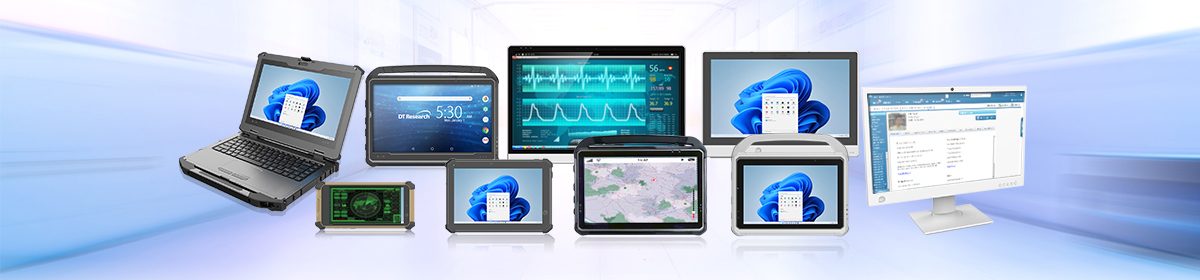
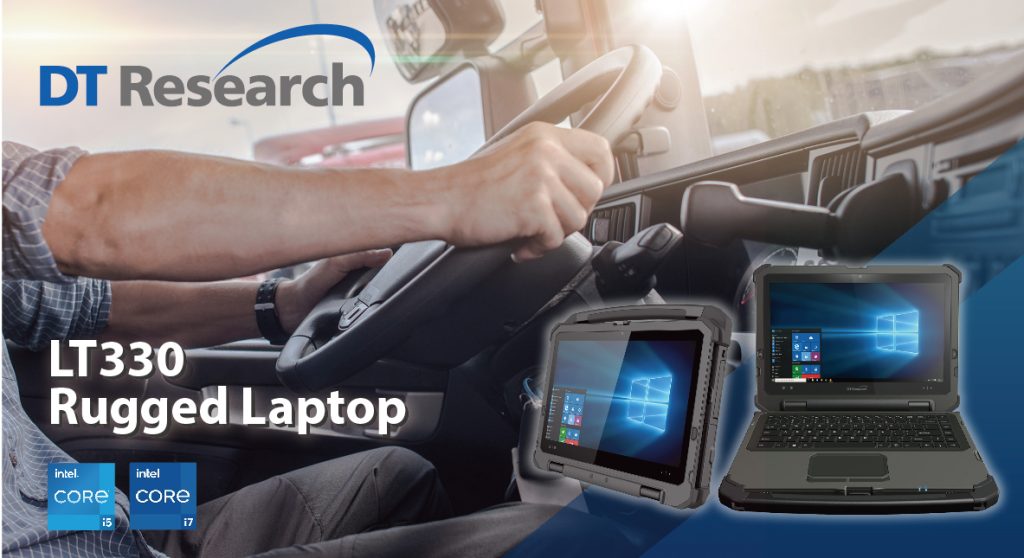
This is where high-performance rugged tablets and laptops for fleet maintenance come into play, serving as the critical bridge between raw data streams and real-world grease and wrenches.
Moving Beyond the Fault Code: A Clearer View of Equipment Health
Traditional diagnostic tools tell you what has already gone wrong. The predictive edge premiums operate on a completely different timeline. Rather than waiting for a catastrophic failure, edge computing systems continuously analyze asset telemetry data, catching small irregularities that the naked eye and standard sensors cannot detect.
By identifying these faint degradation signals weeks before a fault code ever populates, fleet operations gain an unprecedentedly clear view of macro-level equipment health. Predictive systems flag these potential failures far in advance, giving maintenance teams the luxury of time. Time means the ability to plan, to schedule, and to avoid the astronomical cost of emergency towing and roadside repairs.
The Core Philosophy
It is no longer just about collecting data; it is about making sense of it. Data piling up in a cloud silo is useless to a mechanic under a chassis. The predictive edge processes telemetry locally, instantly transforming raw metrics into immediate operational clarity.
From Insight to Action: Operationalizing Intelligent Maintenance Recommendations
Early detection of a creeping problem is a good first step, but operational efficiency requires more than just problem identification; it requires active recommendation of the right business actions. True predictive maintenance tech doesn’t simply say, “Engine Component Wear Detected.” It offers a precise, contextual roadmap for the next steps.
To do this effectively, the edge platform’s intelligent software doesn’t look at the machine in isolation. It synthesizes multiple distinct operational data points to guide scheduling decisions, automatically incorporating the following:
- Detailed Maintenance History: Has this specific asset suffered recurring electrical issues in the past?
- Real-World Operating Conditions: Has this truck been pulling heavy loads through extreme summer heat or idling for long hours in winter yards?
- Real-Time Parts Availability: Is the required replacement seal or filter currently sitting in the local inventory cage, or is it three days away?
- Current Capacity: How many bays are open this afternoon, and are the certified technicians available to execute the fix?
- Total Cost Considerations: What is the financial impact of fixing it now during a scheduled window versus letting it run until the next major milestone?
The Fleet Breakthrough: Consistent, Connected Decision-Making
One of the biggest headaches for regional or national fleet operators is operational variance. Leveraging predictive edge technology via mobile hardware solves this inconsistency. It delivers a unified, synchronized decision-making framework across every single location, bay, and shift. Whether a supervisor is inspecting a delivery van in a remote regional depot or a master technician is reviewing an over-the-road hauler at a primary hub, they are looking at identical, data-driven recommendations. This standardized approach dramatically stabilizes fleet repair costs, slashes bay cycle times, and eliminates the guesswork.
Where Tough Hardware Meets Smart Software: Rugged Tablets and Laptops on the Line
The most sophisticated predictive analytics engine in the world is completely useless if it cannot survive the harsh reality of a maintenance depot. Fleet shops are brutal environments defined by concrete floors, thick engine grime, flying sparks, and extreme temperature swings. Consumer-grade devices or flimsy laptops break within weeks under these conditions. The predictive edge requires dedicated hardware such as the rugged laptops and tablets built for the frontline.
Key features of rugged tablets and laptops for fleet maintenance:
- 24/7 Continuous Operation: Engineered with hot-swappable batteries and advanced thermal management to run across multiple back-to-back shifts without losing power.
- Industrial Durability & Reliability: Military-grade drop testing (MIL-STD-810H) and high IP ratings mean they survive drops, oil spills, and high-pressure washdowns.
- Extreme Form Factor Flexibility: Seamless transition from an office desk dock to a warehouse inventory floor to a cramped position directly next to a hot engine block.
- Adaptive Ergonomics: Can be securely mounted inside vehicle dashboards for in-cab diagnostics or carried comfortably via shoulder straps for hands-free mobility.
- Advanced Battery Ecosystems: Multi-bay gang chargers and specialized in-vehicle charging docks ensure that a fully charged battery is always ready to go.
- High-Visibility Sunlight-Readable Touchscreens: Ultra-bright, anti-glare displays remain crystal clear under direct noon sunlight on the tarmac, with touch sensors optimized for gloves or rain.
When a technician steps out to an outdoor yard in the middle of a blinding July afternoon to check an asset flagging a degradation signal, they don’t have time to squint at a washed-out screen or walk back inside because the device overheated. Rugged tablets and laptops are precision-engineered specifically for these punishing conditions, keeping the technician fully connected to the predictive edge, exactly where the maintenance intervention needs to happen.
Eliminating the Friction Points of Fleet Management
Implementing this combination of edge analytics and industrial hardware directly targets the chronic pain points that keep fleet executives awake at night: skyrocketing parts costs, technician turnover, and unplanned downtime. When a fleet can spot a component deterioration early, the repair shifts from an expensive, chaotic emergency fix to a routine, controlled, and low-cost maintenance event. You are no longer paying for overnight air freight for emergency components, nor are you paying technicians overtime for rushed, high-stress midnight rebuilds.
Furthermore, this technology actively relieves the burden of the ongoing industry-wide technician shortage. By giving less experienced mechanics a clear, structured, and predictive guide on their tablet screens, fleets can onboard new staff faster and elevate their overall service quality without needing decades of specialized mechanical intuition for every single vehicle type.
Driving Your Fleet into the Future
The future of fleet logistics belongs to those who can see a breakdown coming long before it happens. By investing in a robust predictive edge fleet maintenance ecosystem powered by high-durability rugged tablets and laptops, operations can successfully stop reacting to historical failures and start actively engineering operational uptime. It is a comprehensive strategy that saves money, protects valuable assets, empowers technicians, and guarantees your trucks stay exactly where they belong: on the road, delivering results.