Rugged Tablets: A Solution for Warehouse Precision 

In the logistics and supply chain sectors, speed and precision are crucial. For years, the go-to solution for meeting rising service demand was simple: hire more people. While this approach boosts your workforce, doing so also drains the company’s bottom line and often leads to more human errors. Real growth is about working smarter, not just larger.

That is exactly where modern tech is changing the game. By adopting automatic product dimensioning, operations can skyrocket productivity without sacrificing data accuracy. DT Research is leading this shift, building precision-engineered rugged tablets designed to take inventory tracking to the next level.

The Power of Automatic 3D Dimensioning

Measuring cargo manually is time-consuming, and even the most meticulous employee will likely make mistakes. Portable rugged tablets resolve this by integrating Intel RealSense 3D camera technology directly into the devices that logistics teams use every day.

Rather than measuring items one by one, the integrated 3D camera captures accurate measurements, weight, and volume in an instant, logging the data straight into the system.

This shift offers massive practical advantages for daily operations:

  • Faster Turnaround: Scanning items instantly during receiving and shipping speeds up intake and dispatch, cutting down overall transit times.
  • Optimized Space: Knowing the exact volume of incoming freight allows managers to organize warehouse slots effectively and maximize cargo space in delivery vehicles.
  • Quality Control and Loss Prevention: 3D scanning makes it easy to document physical damage to goods or pallets on the spot. Because the system tracks exact volume and weight, it’s easy to flag if items went missing or were tampered with during transit.
  • Dispute-Free Billing: Instant volume measurements ensure accurate freight costing from the start, saving teams from headache-inducing billing disputes later.

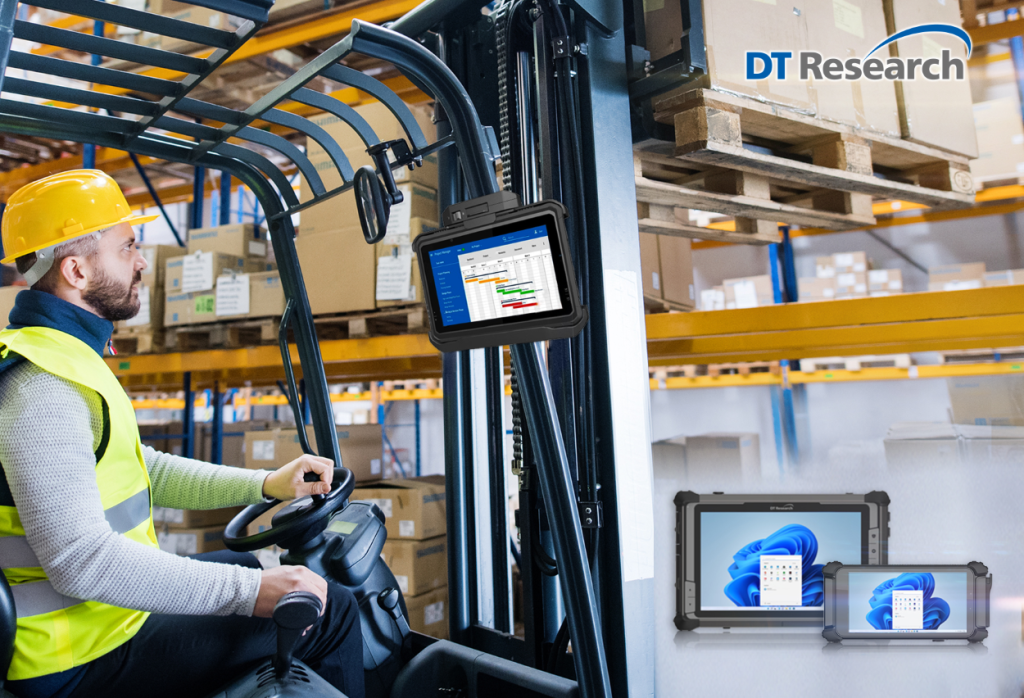
Take Pallet One, for example. As the nation’s largest new pallet manufacturer, they needed a portable and rugged tech solution that could seamlessly transition between offices, warehouses, and outdoor yards. They chose a DT Research rugged tablet with an Intel CPU and a 10-inch capacitive touch screen that is easy to view outdoors. This tablet is robust enough to withstand the demands of manufacturing lines, warehouses, and forklifts.

Built for the Realities of the Floor

A warehouse floor is a brutal environment for electronics. While consumer smartphones and tablets easily crack or fail in industrial settings, our rugged tablets are precision-engineered to survive.

Beyond basic dust and water resistance, these rugged tablets are built to withstand the constant vibrations of heavy machinery, like forklifts. Thanks to careful thermal engineering, they run flawlessly whether they are operating in a hot desert fulfillment center or an extreme cold storage unit. Equipped with fast processors, they handle complex tracking applications with ease.

Precision Across Critical Industries

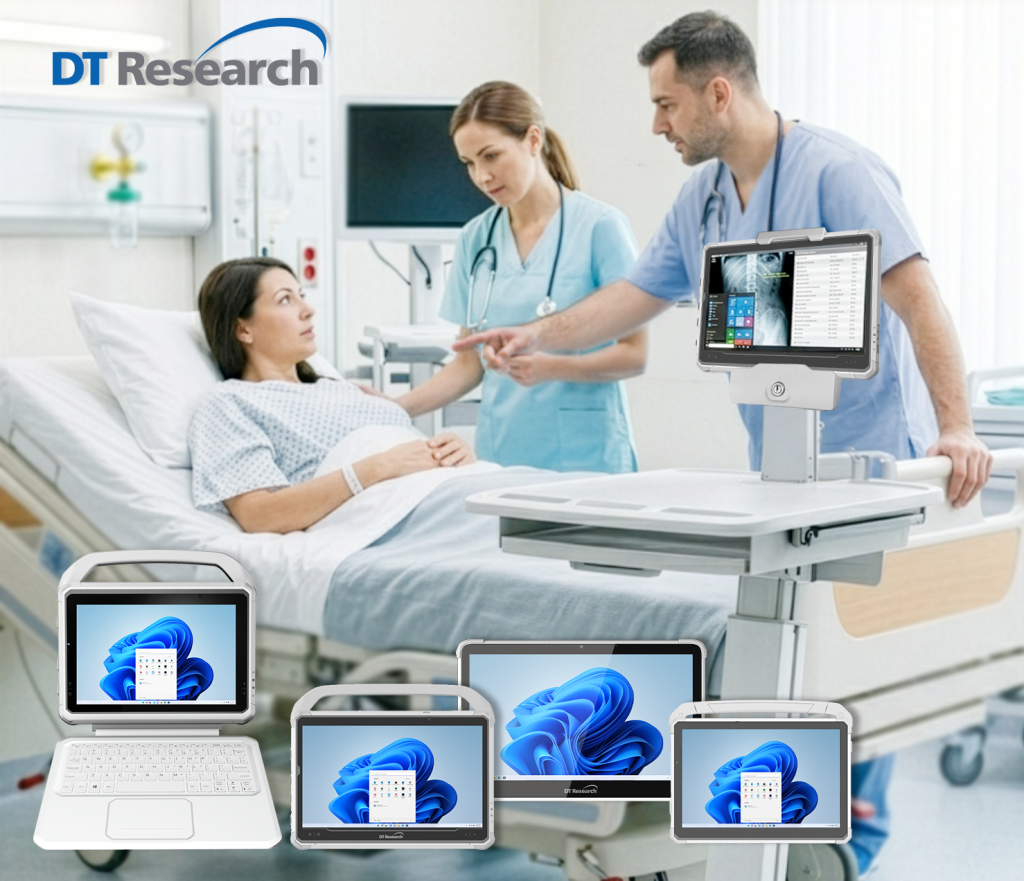
The precise engineering required to build reliable logistics technology is the same foundation that makes DT Research a trusted authority across high-stakes fields such as healthcare and the military. The strict requirements of patient care settings are reflected in the demanding nature of freight tracking.

Whether mounted on an emergency room mobile workstation or carried across a busy fulfillment floor, these purpose-built computing solutions deliver the reliable performance, durability, and processing power that modern operations demand.

The Bottom Line

Upgrading your logistics strategy is just about filling the floor with manual labor. By adopting rugged mobile technology with automatic 3D dimensioning, you can protect your margins, eliminate costly data entry mistakes, and keep your supply chain moving faster than ever.  

Why Medical-Grade Engineering is the Backbone of Clinical Care

When patient safety and clinical uptime are at stake, “medical grade” is not a marketing label. It is a critical standard. There is a clear difference between a device that is simply durable and one that is purpose-built for medical environments. In healthcare settings, where reliability, sanitation, and uninterrupted performance directly affect care delivery, internal engineering matters far more than outward appearance.

Continue reading “Why Medical-Grade Engineering is the Backbone of Clinical Care”

More Than Just a Scan: How Rugged Tablets with UHF RFID are Revolutionizing the Supply Chain

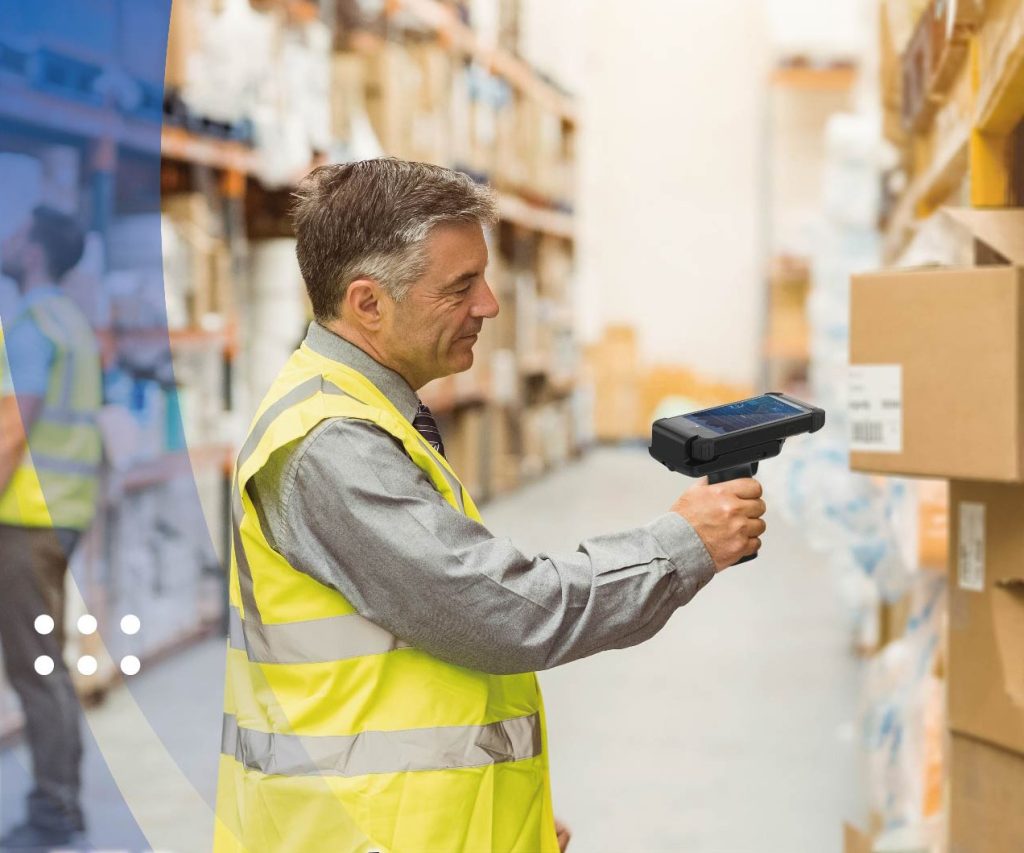
For the manufacturing and logistics industry, time isn’t just money, it’s the difference between a satisfied customer and a lost contract. For decades, the industry standard was the manual barcode scan. It worked, but it was slow, required a direct line of sight, and was prone to the inevitable “human factor” of missed items.

Continue reading “More Than Just a Scan: How Rugged Tablets with UHF RFID are Revolutionizing the Supply Chain”

Built for the Jobsite: Why Rugged Tablets Are Now Essential to Modern Construction

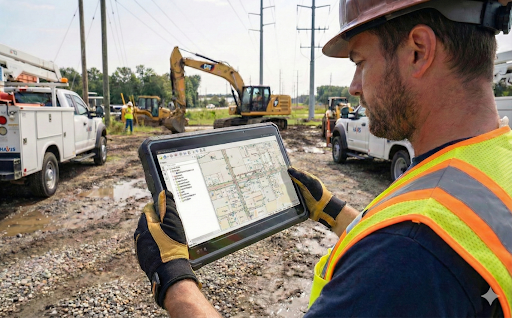
Construction is chaos in motion. Dust winds through site corridors. Rain slicks the ground. Workers move in a thousand directions. And yet plans must stay sharp. Schedules must stay intact. Data must stay real. In a world where consumer tablets buckle at the first sign of grit, precision-engineered rugged tablets rise.

Continue reading “Built for the Jobsite: Why Rugged Tablets Are Now Essential to Modern Construction”

How Rugged Medical Tablets Power Predictive Care and System Health

Modern healthcare is undergoing a fundamental shift from reactive treatment to proactive prevention. In the middle of this revolution is data. However, the success of any data strategy relies on the tools used to capture and analyze it at the point of care. Rugged medical tablets are no longer just digital clipboards; they are the mobile engines driving predictive analytics for both patient outcomes and the critical systems that support them.

Continue reading “How Rugged Medical Tablets Power Predictive Care and System Health”