
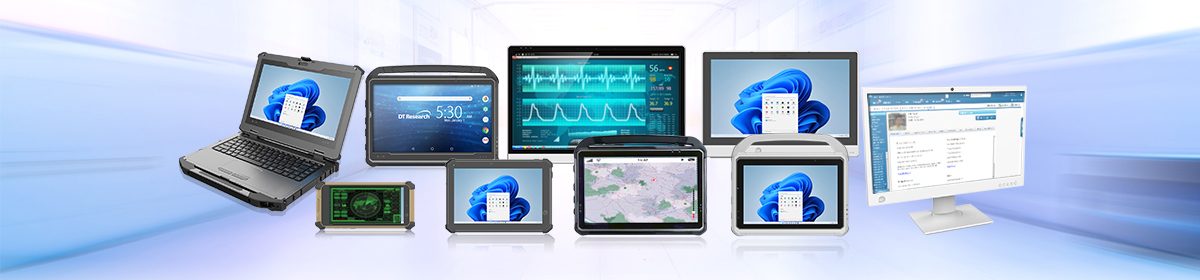
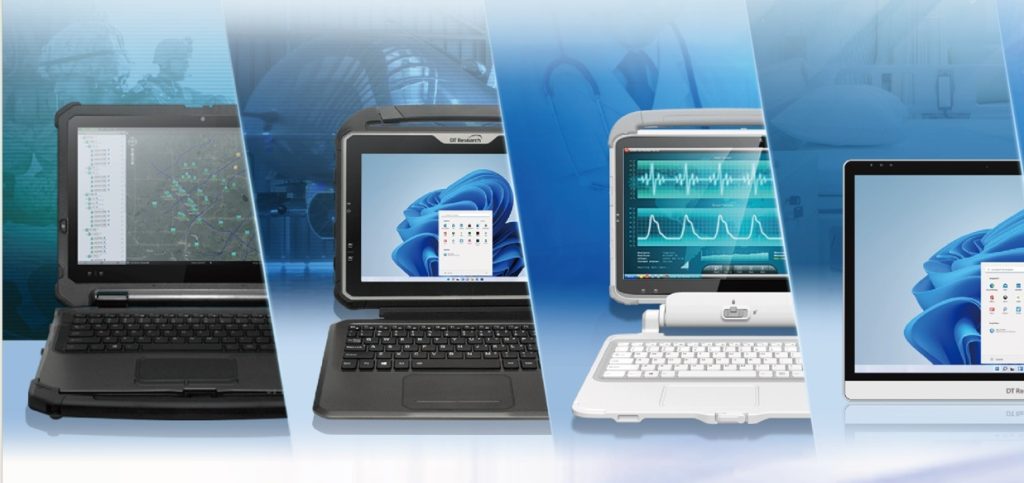
Across mission-critical environments, technology is only as valuable as its capacity to perform under pressure. Whether it’s a medic in a fast-moving field hospital, a law enforcement officer assessing a high-risk scene, or military personnel executing operations in unpredictable terrain, teams rely on devices that won’t fail when it matters most.
The main reason rugged technologies have become more than tools is that they’ve become operational partners built to withstand the realities of demanding industries. These deliver purpose-built, field-ready computing solutions that bridge durability, mobility, and real-time data access.
As industries accelerate their digital transformation, rugged technologies are stepping into an even greater role supporting safer, smarter, and more efficient operations.
Military: Technology Built for the Frontlines
Today’s military missions require a level of synchronization and information access that consumer-grade devices can’t provide. From tactical planning to reconnaissance to equipment maintenance, rugged computing has matured into an essential element of modern defense operations.
Environmental extremes are the norm, not the exception.
Devices need to be able to survive sand, humidity, shock, vibration, rapid temperature changes, and long hours of heavy use. Military-grade tablets and laptops, especially those MIL-STD-810H certified and IP-rated, give military confidence that their tech won’t crack under mission stress.
Rugged systems also play a central role in command and control, enabling real-time decision-making supported by secure data, advanced mapping tools, and integrated sensors. With high-brightness displays that remain visible under direct sunlight and hot-swappable batteries that support long missions, rugged devices extend operational readiness in ways traditional technology cannot.
In addition, defense organizations increasingly rely on rugged devices for maintenance workflows, digital training, and logistics coordination. The shift toward mobile-first defense processes directly increases efficiency, reduces downtime, and contributes to stronger readiness across units.
Healthcare: When Every Second Counts, Reliability Matters
Healthcare settings whether large hospitals, mobile clinics, or emergency medical operations demand reliability that supports uninterrupted patient care. Rugged medical tablets and all-in-one cart computers have become crucial to modern workflows because they reduce friction between clinicians and the technology they rely on.
In high-acuity environments, devices are exposed to constant handling, harsh disinfectants, and rapid mobility. A rugged medical-grade design ensures technology remains fully operational without compromising infection control protocols.
Rugged healthcare technology elevates patient care in several core areas, such as:
- Point-of-care documentation: Clinicians access and update EHRs in real-time, improving accuracy and speeding up treatment decisions.
- Imaging and diagnostics: High-performance processors and specialized modules support ultrasound viewing, teleconsultations, and advanced medical imaging workflows.
- Mobility and telehealth: Medical tablets enable caregivers to deliver care outside traditional hospital walls—home visits, emergency response units, and remote clinics all benefit from secure, stable access to patient data.
For medical teams, rugged devices aren’t just about durability, it’s about minimizing delays and maximizing patient safety. When every second matters, dependable technology is an essential part of the care team.
Law Enforcement: Strengthening Safety and Situational Awareness
In law enforcement, technology must support officers in dynamic, often unpredictable environments where split-second decisions can directly impact safety. Rugged tablets and laptops are now core components of patrol vehicles, tactical teams, and investigative units.
Officers use rugged mobile tablets and laptops for:
- Incident reporting and digital evidence capture
- Driver and vehicle data checks
- Real-time situational intelligence and mapping
- Communication with command centers during active operations
Rugged systems ensure officers can operate efficiently whether they are in a patrol car, responding to severe weather events, or collecting evidence in challenging terrain. The combination of sunlight-readable screens, long battery life, GNSS accuracy, and secure connectivity strengthens field awareness and reduces administrative burden.
As law enforcement agencies adopt more advanced tools, from drones to body-worn sensors, rugged tablets serve as mission hubs, integrating data streams so officers can respond with clarity and confidence.
Rugged Technology: A Common Thread Across Demanding Industries
Military, healthcare, and law enforcement environments may be different, but they share an expectation: technology must perform without compromise. Rugged computing delivers on that expectation by providing:
- Durability that stands up to real-world conditions
- Mobility that doesn’t sacrifice performance
- Security for sensitive and regulated data
- Customizable modules for industry-specific needs
- Long product life cycles and easy fleet manageability
As operations evolve and the need for rapid, accurate, and secure information access grows, rugged technologies will continue to anchor mission success.