
Healthcare organizations are under constant pressure to modernize. Interoperability mandates, rising patient volumes, cybersecurity threats, and workforce shortages are forcing leaders to rethink how data moves across their systems. Future-proofing healthcare no longer begins in the server room, it begins at the point of care.
At #HIMSS26, one theme is clear: smarter data management requires stronger endpoint strategy.
Data Liquidity Starts at the Bedside
Electronic medical records, remote monitoring platforms, imaging systems, and AI-driven analytics all depend on accurate, real-time data capture. Yet clinicians are often slowed by outdated hardware, shared workstations, or disconnected workflows.
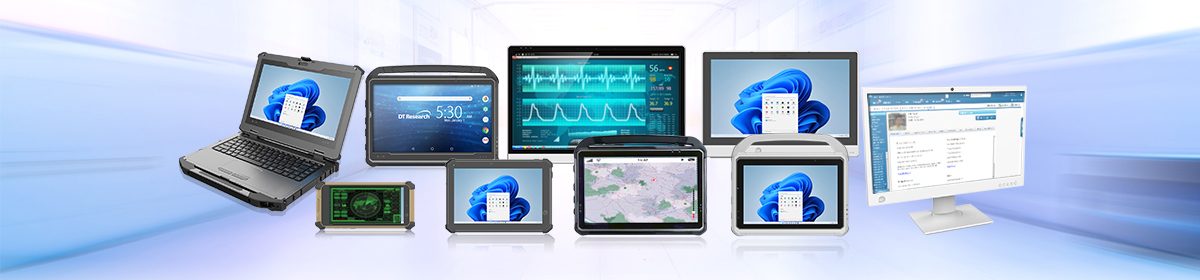
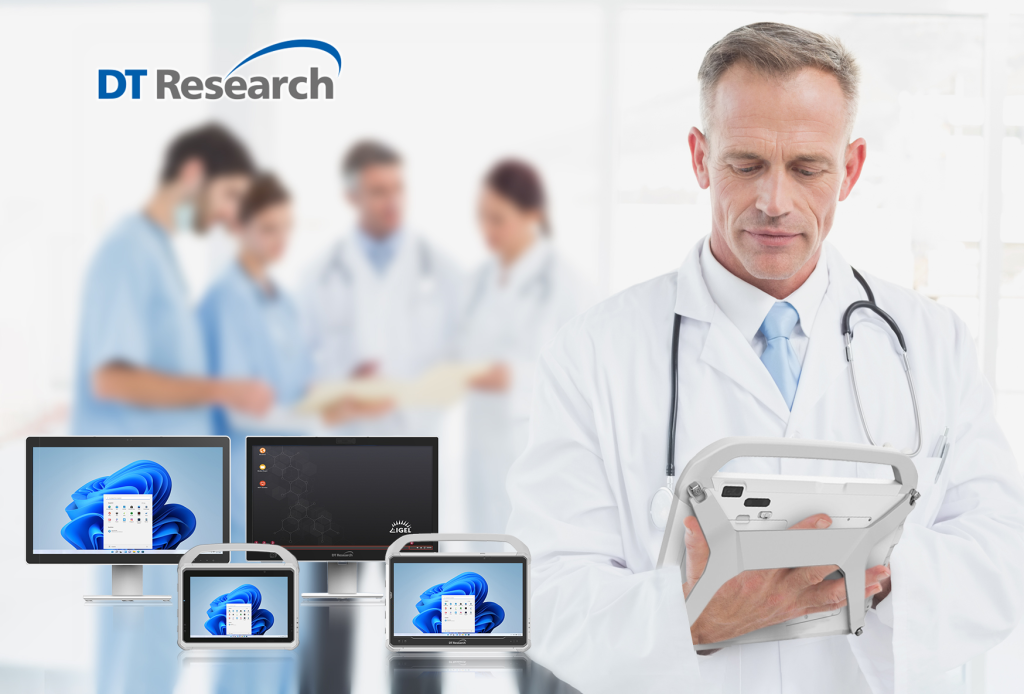
Medical-grade tablets and all-in-one computers eliminate these friction points. Purpose-built technology allows clinicians to securely access, document, and share patient information wherever care occurs, whether at the bedside, in outpatient settings, or in mobile triage environments.
When endpoints are mobile, secure, and continuously connected, healthcare data becomes actionable rather than fragmented.
The Hidden Risk in Healthcare Data Management
Hospitals invest millions in EMRs (electronic medical records), cloud infrastructure, AI (artificial intelligence) pilots, and interoperability initiatives. Yet fragmented endpoint hardware quietly undermines these investments. Shared workstations create workflow bottlenecks, consumer-grade tablets often fail to meet infection-control standards, devices lacking enterprise authentication increase cybersecurity exposure, and battery failures disrupt critical clinical operations.
The impact is not just inconvenience. It is operational drag, compliance risk, and hidden cost. The vulnerability is not in enterprise strategy, but in execution at the endpoint.
Built for Clinical Durability
Consumer devices are not engineered for disinfectant protocols, constant movement, or multi-shift use. Healthcare environments demand medical-certified hardware precision-engineered for durability, safety, and continuous uptime.
Medical tablets and AIOs are designed specifically for hospital-grade resilience and clinical reliability.
Key capabilities include:
- Hot-swappable batteries supporting uninterrupted 24/7 workflows
- Integrated smart card or CAC readers for secure authentication
- Antimicrobial enclosures and fanless operation aligned with infection-control requirements
- High-resolution displays optimized for clinical documentation and imaging
- Enterprise-grade security aligned with healthcare IT standards
By running Microsoft Windows on powerful processors, these medical computers integrate directly into EMR platforms and hospital information systems without forcing costly workflow redesign. The result is consistent, dependable performance across departments.
Why Endpoints Now Define Enterprise Performance
For CIOs and IT directors, the question is no longer whether IT systems function. The question is whether they scale securely across the enterprise.
Modern medical endpoints must support:
- Credential-based authentication
- Seamless EMR integration without middleware friction
- Centralized device management and remote provisioning
- Continuous uptime through advanced power systems
- Compliance-ready materials and configurations
When endpoints align with enterprise architecture, organizations experience measurable gains:
- Reduced downtime across clinical units
- Fewer IT service tickets related to device failure
- Faster documentation cycles
- Stronger compliance posture
- Improved clinician adoption
This is not simply a hardware refresh. It is risk mitigation and operational optimization.
Automating the Flow of Information
Smarter data management extends beyond capturing information. It requires ensuring that data moves automatically between systems without duplication or delay.
With secure wireless connectivity and centralized device management, medical tablets and AIOs enable:
- Real-time chart updates
- Automated document uploads to EMR systems
- Immediate care team notifications
- Secure provider-to-provider messaging
When clinicians no longer re-enter data or search for the latest file version, efficiency improves and errors decrease. As accurate information becomes instantly accessible, decision cycles shrink and patient care accelerates.
Building a Resilient Healthcare IT Ecosystem
Healthcare IT leaders are no longer being asked to digitize, they are accountable for resilience, interoperability, cybersecurity, and measurable efficiency gains. Enterprise data resilience is not achieved by software alone, it depends on strengthening the infrastructure that supports every digital initiative.
Forward-thinking organizations recognize endpoint standardization as a strategic lever, not a procurement detail.
When devices are secure, resilient, and integrated by design, workflows stabilize and IT regains control over operational complexity. The future of healthcare data management is not abstract, it is built at the edge.