
As supply chains adopt robotics, machine vision, connected assets, and faster decision loops, edge computing is becoming more than an IT infrastructure strategy. It is becoming a performance driver. When operations depend on real-time data capture, automation, and time-sensitive execution, where computing happens matters. By bringing processing power closer to the point of work, organizations can reduce delays, improve responsiveness, and design smarter workflows built for the speed of modern supply chains.
Systems must detect conditions in warehouses, yards, transport assets, and industrial facilities to react promptly. Centralized processing is not always sufficient when timing influences the result.
Because of this, edge computing is actually more important now than it was in modern logistics. Speed isn’t just about how fast a truck travels down the highway. It’s about how quickly data travels from a warehouse floor to a decision-maker’s screen. For years, we’ve leaned on the cloud as the ultimate solution for data processing, but as supply chains become more complex, “sending everything to the cloud” is hitting a bottleneck.
This is where edge computing enters the conversation. By processing data closer at the “edge” where sensors, scanners, and mobile devices operate, we are effectively cutting out the middleman. The result? Real-time visibility that turns raw logistics data into useful intelligence in milliseconds, not minutes.
The Shift from Cloud-Only to Edge-First
The main problem with traditional, cloud-based architectures is latency. When an IoT sensor on a shipping container or a barcode scanner in a distribution center has to send information back to a central server miles away, even a fraction of a second can lead to discrepancies. In high-volume logistics, those fractions of a second add up. Edge computing changes the game by letting devices make quick decisions based on the data they collect.
Edge processing ensures that systems stay responsive, even when connectivity is spotty. For example, an automated sorting system can change the speed of its belt, or a delivery vehicle can recalculate its route based on real-time traffic.
One of the most significant takeaways from this year’s MODEX 2026 show was how mobile hardware is evolving to bridge the gap between heavy-duty industrial processing and the user-friendly interface that today’s workforce demands.
Bridging Mobility and Edge Intelligence
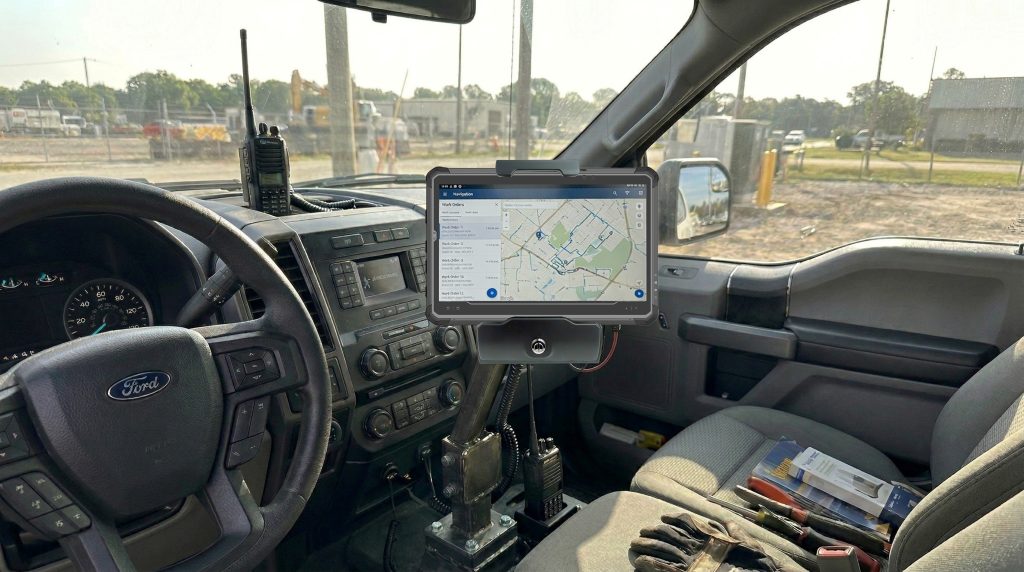
The new DA323EP Android rugged tablet represents a shift in how we think about edge devices. Previously, field workers often had to choose between the processing power needed for complex edge applications and the ruggedness required for harsh warehouse environments.
By integrating Google Mobile Services (GMS) into a rugged, 13.3-inch tablet, this functions as a powerful edge node. It does more than just display data; it allows workers to interact with it natively.
Here is why this matters for your supply chain strategy:
- Real-Time Data Capture: By supporting direct barcode scanning and GPS-enabled applications, the Android tablet captures critical logistical data at the point of action.
- Reduced Operational Friction: With its 13.3” LED-backlit, high-brightness 1000 nits sunlight-readable touchscreen LCD, Qualcomm 8-core processor, and Android 13 operating system, DA323EP makes it easier for workers to navigate complex warehouse management systems without the bulk of a traditional laptop.
- Uninterrupted Workflow: In mission-critical environments, downtime is the enemy. Features like hot-swappable batteries and IP65-rated protection ensure that the “edge” stays online 24/7, regardless of environmental variables.
The Bottom Line: Intelligence at the Edge
As we look past the excitement of MODEX 2026, the mandate for logistics managers is clear: move toward architectures that prioritize edge intelligence.
By equipping your team with rugged tablets that can process information locally and providing them with the familiar, intuitive interfaces they already use in their daily lives, you aren’t just updating your hardware. You’re building a supply chain that can think, adapt, and act in real-time. The era of waiting on the cloud is over; it’s time to bring the intelligence to the floor.