
Data modernization is now a key asset for the modern military, making maintenance, logistics, and combat operations all data-driven operations.
As the U.S. Army and joint forces push hard to modernize through initiatives like the Next Generation Command and Control (NGC2) architecture and high-stakes exercises like Project Convergence, the traditional concept of a “battlefield perimeter” is effectively gone.
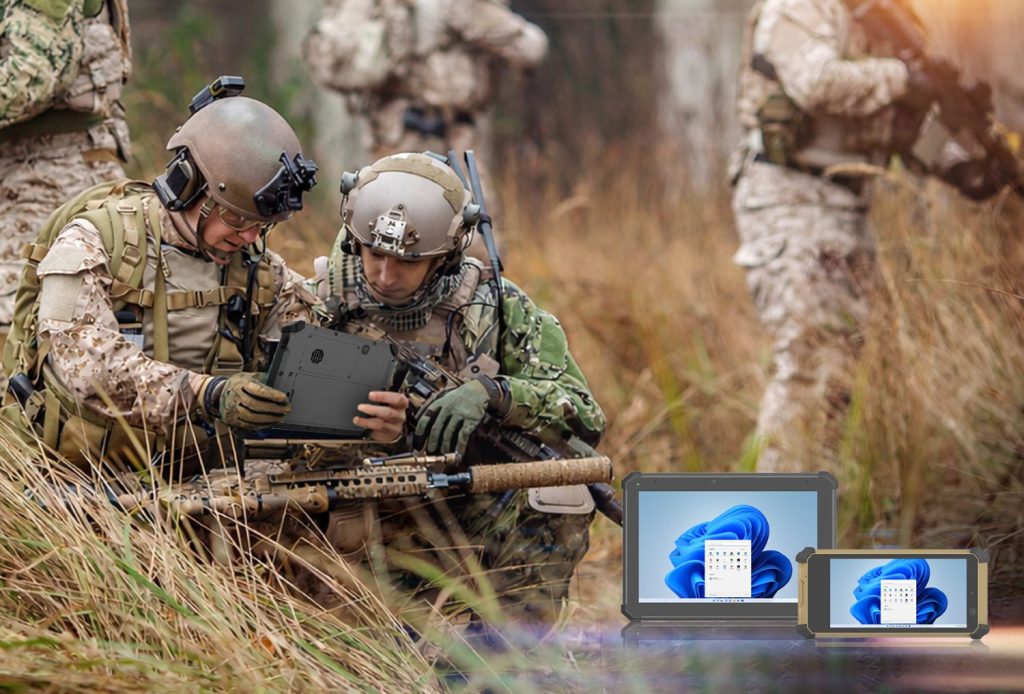
Command and control (C2) centers are no longer tucked away safely in air-conditioned, rear-echelon tents. Today, the C2 center is right at the tactical edge, bouncing around in the back of an armored vehicle, caked in mud, and operating under the constant threat of electronic jamming. To keep real-time data flowing in these conditions, the military needs more than clever software; it needs hardware that can actually survive the elements.
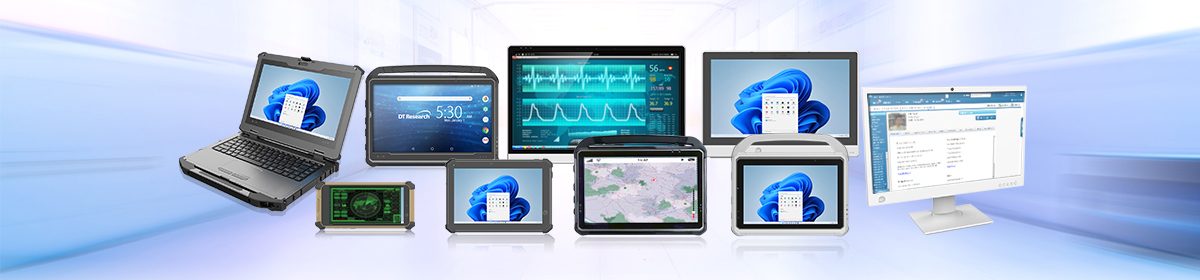
That is why military-grade rugged tablets and laptops become the physical anchors of the modern tactical network.
The Edge C2 Reality: Moving Fast and Staying Connected
Military modernization is all about moving away from slow, fragmented radio updates and toward a shared, real-time picture of the military operation. As recent joint exercises have shown, this requires an interconnected, multi-layer network that handles everything from data transport to live applications.
But when commanders and squad leaders operate in contested or remote areas, they can’t rely on a stable connection to a distant cloud data center. They need local, server-class processing power right in their hands. Rugged laptops and tablets act as these local nodes. They are capable of running heavy data-processing tasks on-site, filtering out the noise, and giving leaders the exact insights they need to make split-second decisions without waiting on a lagging network.
Built for the Harsh Realities of the Field
Standard commercial laptops or tablets wouldn’t last a day in these environments. Military-grade rugged tablets and laptops are engineered to take a beating and keep running, relying on a few non-negotiable features:
- Real-World Durability (MIL-STD-810H): These rugged computers have to survive drops, intense vehicle vibrations, shock waves from nearby blasts, and extreme temperatures ranging from freezing arctic environments to blistering desert heat and everything in between.
- Sealed Against the Elements (IP65/IP67): Operating at the edge means dealing with dust, sand, and torrential rains. Proper sealing ensures the internal electronics stay dry and clean.
- Electronic Stealth (MIL-STD-461G): In a modern conflict, electronic signatures can give away a unit’s position. Tactical military-grade hardware is built to limit electromagnetic emissions so it doesn’t show up on enemy radar while also resisting local signal interference.
- IP-rated military connectors: including Fischer, Glenair, Bernier, and ODU designs—enabling flexible integration of Ethernet, USB, and power connectivity.
- Screens Built for Action: High-brightness, anti-reflective displays mean a soldier can actually read a map under direct sunlight,while touchscreens are optimized to work perfectly with heavy gloves or wet hands.
Bridging the Gap Between Software and the Soldier
At the end of the day, advanced software is only useful if a soldier can actually interact with it under pressure. Within the NGC2 framework, military-grade tablets and laptops support the mission across every layer:
Cutting Through the Noise (The Application Layer)
By putting intuitive, lightweight apps onto rugged tablets, frontline operators can automate tedious manual tasks. Whether tracking supply levels or logging vehicle maintenance, these tools cut down on administrative nuisances so soldiers can focus on the mission at hand.
Connecting the Dots (The Data Layer)
Rugged laptops frequently pull double duty as edge servers, pulling together data from air, ground, and cyber assets. This allows a squad leader to see a synchronized operational picture locally, without needing to pull massive files over a weak satellite link.
Secure Sharing (The Transport Layer)
Tactical networks have to handle highly sensitive data without compromising security. Modern rugged solutions are built for the military and feature advanced encryption chips and secure architectures, allowing teams to safely pass critical intelligence across different security classifications down to the lowest level in real time.
Great Software Needs Military-Ready Hardware
Military modernization relies heavily on rapid prototyping and constant adaptation. But the most sophisticated AI tools, predictive logistics models, and advanced networks are completely useless if the screen cracks or the battery overheats the moment things get rough.
As defense forces continue to roll out Next Generation Command and Control capabilities, rugged tablets and laptops remain the essential foundation. By pairing smart software with hardware that can survive the field, military forces ensure that commanders can see further, decide faster, and execute with precision where it matters most.