

As global supply chains continue to evolve, freight terminals, intermodal hubs, and fleet operators face growing demands to improve delivery efficiency, streamline operations, and meet sustainability goals. Digital transformation and environmental responsibility are increasingly interconnected, with modern technology playing a critical role in optimizing logistics workflows, improving resource utilization, and reducing operational waste.
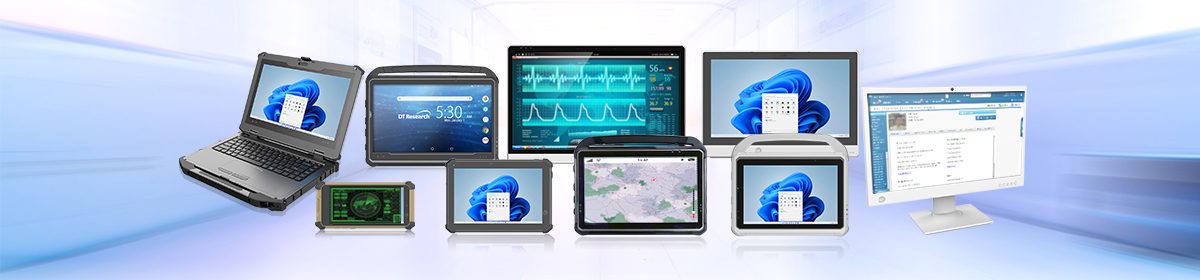
Achieving more sustainable logistics operations extends beyond transitioning to electric vehicles. It requires a comprehensive approach to improving efficiency across the entire transportation and distribution process. DT Research rugged tablets support this transformation by enabling real-time data access, seamless communication between field personnel and centralized systems, and greater visibility across logistics operations. By connecting critical workflows and reducing reliance on manual processes, rugged computing solutions help organizations improve productivity, minimize waste, and build more efficient, sustainable transportation networks.
1. Removing Unnecessary Idling and Vehicle Emissions
At large distribution centers and intermodal rail terminals, entry gates can become significant bottlenecks, contributing to traffic congestion, extended vehicle idling, and unnecessary fuel consumption. Traditional manual check-in procedures often result in long truck queues, increasing operational delays, emissions, and overall transportation costs.
DT Research rugged mobile computers help streamline gate operations by digitizing check-in processes, improving data accuracy, and enabling faster vehicle processing. By reducing wait times and minimizing unnecessary idling, these solutions support more efficient terminal operations, lower fuel consumption, and greater environmental sustainability.
- Instant Check-In – Rugged tablets help field operatives to scan container codes and license plates instantly to match against cargo manifests, using long-range wireless networks.
- Fast Entry & Exit – Using digital validation, the gate can be opened quickly, reducing the time spent waiting at the gate from tens of minutes to seconds.
- Reduce Carbon Emissions – This reduces the amount of time spent waiting in line, reducing fuel burn and emissions.
2. Dynamic Cab-Mounted Tablets Help Guide Heavy Equipment
Managing containers in an intermodal yard can be challenging. Managing the right equipment, such as reach stackers, gantry cranes, and terminal tractors, can cause waste when using radio- and paper-based work orders. By integrating purpose-engineered rugged tablets into equipment cabs, operators can access real-time location data and clear navigation guidance to improve operational efficiency, streamline equipment movement, and support more precise coordination across the site.
- Dynamic Task Allocation: Rugged tablets installed in the cab can receive updated tasks through high-speed 4G LTE or 5G connections. This ensures drivers know the quickest route to the container.
- Withstand Heavy Conditions: Commercial tablets would not survive the harsh conditions experienced within the yard. Purpose-engineered rugged tablets are designed to withstand tough conditions such as drops, shock, vibrations, and extreme temperature changes. They meet rigorous MIL-STD-810H standards.
- Zero Excess Driving: Jobs will be allocated to ensure there is no unnecessary driving around the yard. This saves fuel and reduces maintenance requirements.
3. Reduce Paper Usage
Traditional freight and logistics operations often rely on paper-based documentation, including shipping manifests, inspection reports, bills of lading, and railcar records. These manual processes can contribute to operational delays, data entry errors, and unnecessary paper consumption. Transitioning to digital workflows helps streamline documentation, improve data accuracy, and reduce administrative inefficiencies while supporting more sustainable logistics operations.
Equipping ground personnel with ruggedized handheld tablets digitizes tallying operations from end to end:
- Direct Data Capture: Inspectors can conduct physical checks directly on bright, outdoor-readable touchscreens even under direct sunlight, rain, or snow.
- Intermodal Accuracy: Ground teams match rail cars, chassis numbers, and shipping containers digitally while transmitting verification updates to enterprise resource planning platforms without delay.
- Paperless Savings: Eliminates physical printouts, saving thousands of pounds of paper consumables yearly while removing manual data re-entry tasks for back-office staff.
4. Uninterrupted Connectivity in High-Interference Environments
One of the key challenges in modernizing freight and logistics operations is maintaining reliable wireless connectivity across large, complex facilities. Freight yards and intermodal terminals often contain dense shipping containers, moving gantry cranes, and extensive steel infrastructure that can interfere with wireless signals. These conditions create connectivity gaps that can disrupt data transmission, limit real-time visibility, and impact operational efficiency.
Purpose-engineered rugged mobile tablets are engineered specifically to maintain communication through dense industrial structures:
- High-Gain Cellular and WiFi Routing: Multi-carrier LTE connectivity and optimized internal antenna pass-throughs maintain continuous data streams, preventing dropped connections during critical container transfers.
- Hot-Swappable Power Architecture: Continuous multi-shift operations require power systems that keep working across long days. Hot-swappable batteries allow field personnel to swap fresh power cells without shutting down applications or losing active data.
- All-Weather Ingress Protection: Featuring sealed enclosures rated to IP65, rugged tablets handle exposure to heavy downpours, windblown dust, and vehicle washdowns without failure.
Sustainable Efficiency is Smart Business
Improving sustainability across logistics operations does not have to come at the expense of productivity or efficiency. By replacing paper-based processes with real-time digital workflows, streamlining gate operations to reduce vehicle idling, and optimizing heavy equipment movement, organizations can minimize waste while improving overall performance. DT Research purpose-engineered rugged tablets support these initiatives by providing reliable computing, seamless data access, and enhanced operational visibility, helping logistics providers achieve greater efficiency while advancing their environmental sustainability goals.