
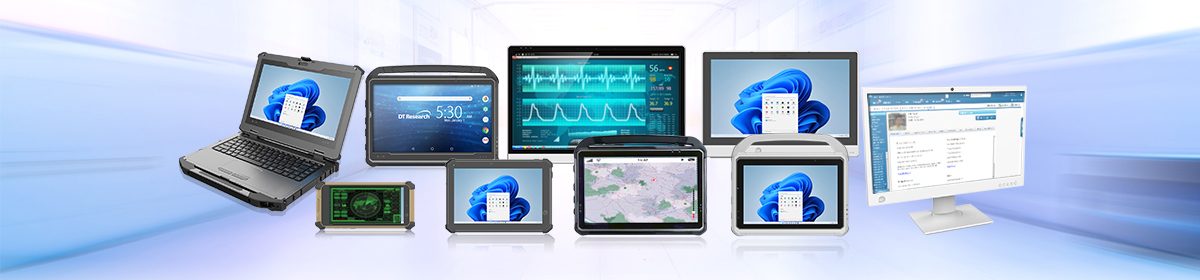
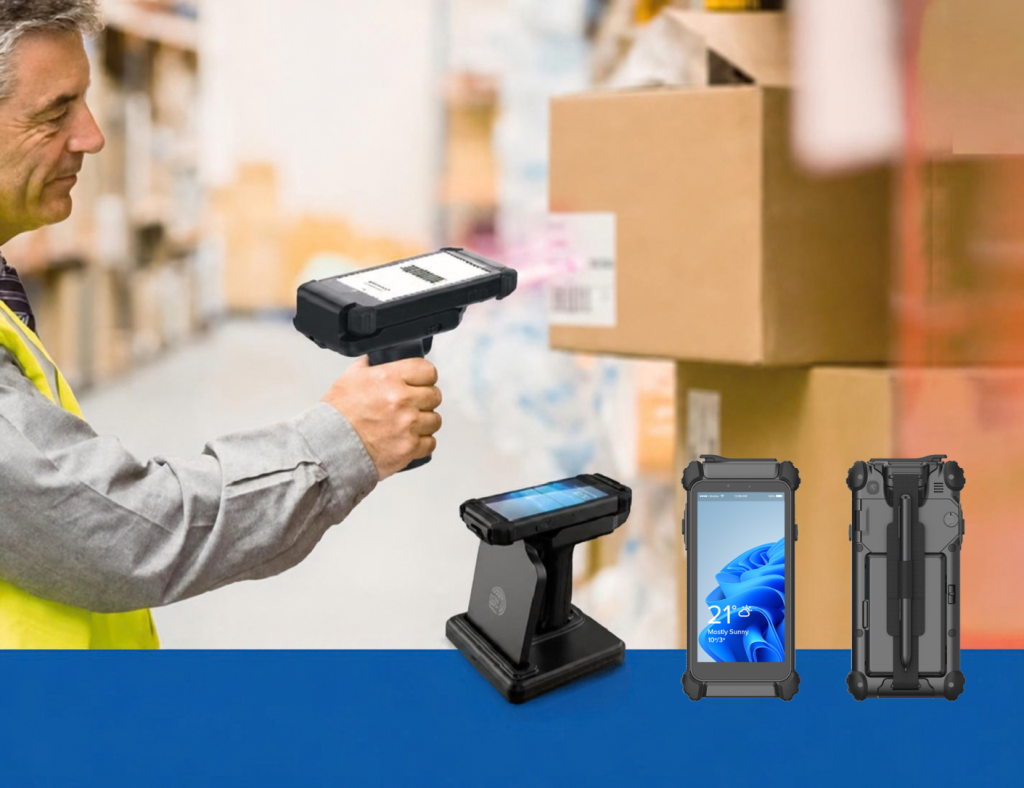
In the past, logistics and warehouse IT directors had to choose: Android for a pocket-sized handheld scanner or less ideal 8- or 10-inch Windows tablets for full desktop enterprise software. With specialized engineering, we’ve overcome that challenge and brought desktop-class computing to a 6-inch rugged handheld.
The Market Reality: Why 6-inch Windows Handhelds?
In the rugged mobile market, there is a reason why most 6-inch devices are Android OS based: mobile processors have much lower thermal power needs than traditional CPUs. Most manufacturers only put Windows at the 7- or 8.4-inch level and beyond. Getting full x86 performance down in a compact, pocket-friendly footprint requires serious engineering capabilities.
Warehouses, manufacturing plants, and distribution centers require mobile devices that can perform heavy-duty processing tasks without heating up and wasting battery power. When your daily workflow takes you from manufacturing or logistics floors to management offices, you need something that won’t require you to rewrite your software stack.
Spotlight on Power: The DT362DH Handheld Tablet
The DT362DH Handheld Tablet from DT Research is a great example of a compact, ruggedized handheld computer that bridges the gap between miniature mobile devices and traditional desktop-class computers.
Despite its small footprint, it boasts some serious specs:
- Powerful Performance
- Intel Core i3-N300 8-Core Processor up to 3.80 GHz, 16GB LPDDR5-5200 RAM
- Premium Display
- 6-inch LED-backlit 2K (2160 x 1080) 2160 x 1080) capacitive touchscreen with 850 nits of brightness
- Industrial-Grade Durability
- IP65-certified, MIL-STD-810H-compliant design
- 24/7 Battery Backup
- Hot-swappable battery eliminates downtime
- Hazardous Environment Options
- Class I Division 2 (C1D2) variants available
- Flexible I/O
- Integrated or optional 2D barcode scanner, NFC/RFID reader
Why Windows 11 IoT Enterprise is the Best Choice for Warehousing
Lightweight mobile operating systems are fine for simple tasks, but when it comes to heavy lifting, logistics managers and IT administrators alike know that Windows is the ideal choice for warehouses.
- Legacy WMS/ERP Parity: Run full desktop applications natively without having to utilize web-based or mobile-friendly clients or middleware.
- Full IT Stack Compatibility: Native support for enterprise-level directory services, group policy management, and domain controller integration enables seamless integration with your existing IT ecosystem and security framework.
- Locked-Down Kiosk Mode: The customizable nature of Windows allows organizations to restrict the device to only run their preferred warehouse management or scanning software.
- Peripheral & Docking Flexibility: From receipt printers to vehicle docks, Windows offers the most compatibility and flexibility.
- Long-Term Support: Windows IoT versions have more robust update and lifecycle policies compared to regular Windows.
Key Considerations Before Choosing a Compact Windows Tablet
When choosing between different ruggedized mobile devices for your warehouse managers, key considerations should be assessed, such as
- Do your logistics personnel need built-in 2D barcode scanners, or will regular scanners suffice? Having a built-in laser scanner can help free up time spent scanning barcodes
- Are you working in potentially hazardous or explosive environments? If so, you’ll want to ensure that the devices you choose are certified for such an environment (e.g., Class 1 Division 2 or C1D2)
- What are your expectations for liquid resistance and drop protection? An IP65 rating means that the device can be cleaned using most common hospital-grade disinfectants.
When it comes to warehouses, it’s best to avoid putting constraints on your workers’ daily operations. By utilizing a mobile device that uses a full desktop operating system, you can unlock productivity gains and provide a seamless experience for your mobile workers. Why settle for a stripped-down mobile OS when you can have the power and flexibility of Windows in a small, rugged form factor.