
Modern defense operations depend on information moving securely, quickly, and reliably across multiple environments. The challenge is that mission-critical data does not live in one isolated system. It moves across unclassified logistics networks, secure tactical feeds, and highly classified intelligence channels.
Traditionally, this created command and control centers crowded with separate workstations, devices, and displays for each security level. One system for one workflow. Another screen for another network. The result was more complexity, more hardware, and more friction at the point of decision.
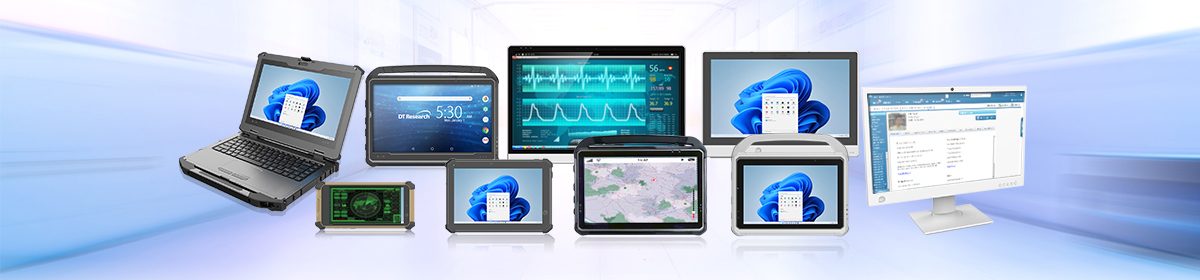
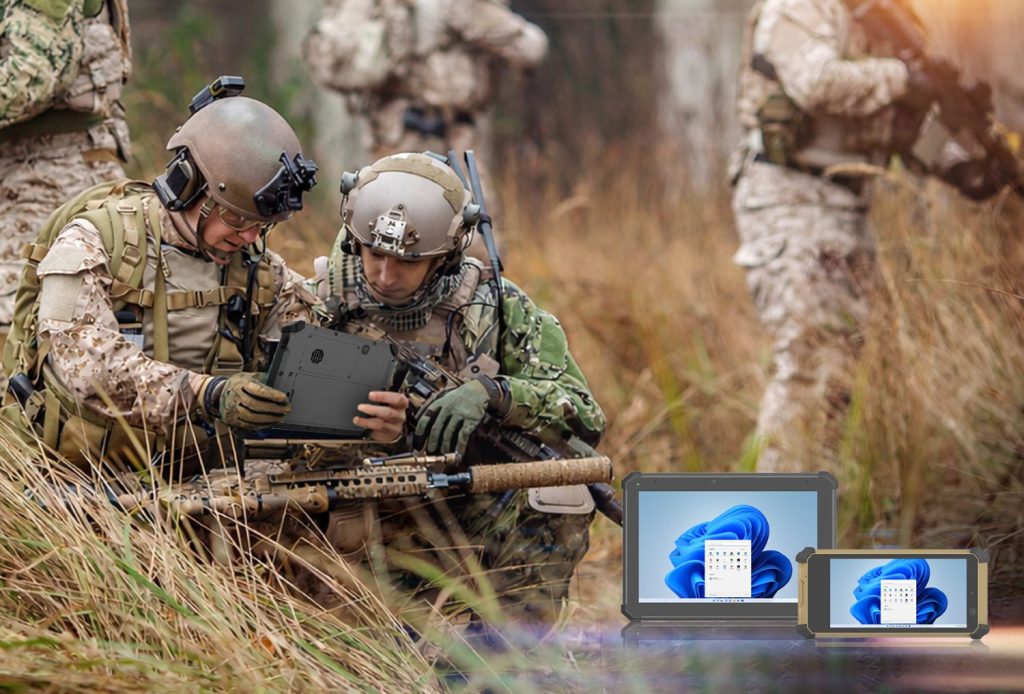
That era is over. The shift toward cross-domain tablets is transforming how the military handles data, moving from static, tethered desks to a fluid, mobile command structure. By operating hardware-level security to bridge the gap between different classification levels, these military-grade tablets allow a single operator to maintain situational awareness without switching seats or devices.
Here is how cross-domain rugged tablets are being deployed across the base to ensure mission success.
1. The Command Center & On-Base Operations
Inside the C2 center, space is a premium and speed is a necessity. Cross-domain tablets serve as the ultimate “hand-off” tool. A commander can review high-level intelligence at their desk and, without a second of downtime, undock the tablet to lead a briefing.
The Feature That Makes It Work: Fanless Operation
In high-stakes environments, dust and particulate matter are the silent killers of electronics. More importantly, in sensitive areas, fans can circulate contaminants or even carry acoustic signatures. Fanless operation ensures the tablet stays sealed, silent, and cool, reducing the spread of particles and extending the unit’s lifespan in the sterile environment of a command hub.
2. The Warehouse & Logistics Hub
Military readiness starts in the warehouse. Tracking thousands of assets from field equipment to vehicle parts requires absolute precision. Using a standard tablet here is a recipe for a broken system within a short window.
The Feature That Makes It Work: Integrated RFID and Scanners
Equipping tablets with built-in RFID readers allows logistics personnel to scan entire pallets of gear in seconds. Instead of manual data entry (which is prone to human error), the tablet updates the secure logistics network in real-time. Because these computing systems are “cross-domain,” the unclassified inventory data can be securely bridged to operational planning screens without risking a security breach.
3. The Vehicle & Fleet Yard
Maintaining a fleet of military vehicles or aircraft requires technicians to access digital schematics in real time, whether they are working on a hot tarmac, inside a maintenance bay, or in challenging field conditions.
The Feature That Makes It Work: High-Brightness Screens
A standard tablet screen washes out under direct sunlight, making it useless for outdoor inspections. Rugged military tablets feature high-brightness, sunlight-readable displays (often 1000 nits or more). Whether you’re checking a tail rotor in the desert or an engine in the rain, the data remains crisp and actionable.
4. The Training Center
Modern military training involves massive amounts of data, AAR (After Action Review) videos, biometric tracking, and simulated tactical overlays.
The Feature That Makes It Work: Built-In Cameras and Hot-Swappable Batteries
Instructors use built-in high-resolution cameras to record maneuvers for instant feedback. But training doesn’t stop when a low battery warning appears. Hot-swappable batteries allow operators to pop in a fresh power pack without shutting down the tablet. This “zero-downtime” capability is critical for multi-hour field exercises where a reboot could mean losing valuable data.
5. The Medical Center
In a field hospital or base medical center, technology must be as resilient as the medics using it. Military-grade tablets are used to pull up patient records (electronic health records) and even assist in field surgical operations or remote trauma consults.
The Feature That Makes It Work: Antimicrobial Enclosures & Fanless Design
The same fanless design used in command centers is vital here to prevent the spread of pathogens through air circulation. Furthermore, rugged tablets are built to withstand the harsh chemical cleaners used in medical environments, something a consumer-grade iPad would never survive.
The Bottom Line: Authority Through Versatility
Cross-domain tablets aren’t just “tough.” They are precision-engineered computing systems designed to solve the military’s biggest headache: secure interoperability.
By integrating features like RFID, hot-swappable power, and hardware-validated security, these tablets ensure that whether you are in the warehouse or the operating room, the chain of command remains unbroken, informed, and mobile.
In the world of rugged military tech, “good enough” never is. You need hardware that is as disciplined and versatile as the personnel who carry it.