
As the healthcare community gathers for HIMSS Europe in Copenhagen, the industry conversation is no longer centered on whether healthcare should become more digital. That shift is already underway. The greater challenge now is whether healthcare organizations can connect the many systems, teams, and data sources that shape the patient experience.
Healthcare continues to operate within one of the most fragmented data environments of any major industry. Patient, provider, and household identities are often spread across EHRs, CRM platforms, call centers, digital front doors, analytics tools, and other disconnected systems. Without a unified view of that information, organizations struggle to share, access, and act on a complete, trusted understanding of the person receiving care.
For health systems, this is more than an IT issue. Fragmented data affects care coordination, patient engagement, operational efficiency, and the ability to deliver more personalized, equitable, and responsive care. As digital health strategies mature, the next phase of transformation depends on bringing these pieces together in a way that supports both frontline providers and the patients they serve.
The Shift from Connectivity to Data Curation
The interoperability conversation is shifting from technical connectivity to strategic data curation. While health systems can now move data between platforms, the data itself is often inconsistent, duplicative, or incomplete.
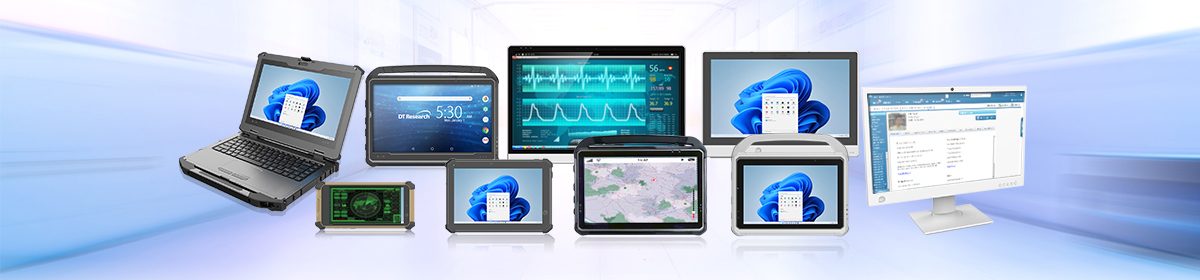
DT Research addresses this by providing the hardware foundation needed to resolve identities accurately across telehealth platforms, EHRs, and analytics environments. Our medical tablets and medical cart computers are designed for tight integration with EHRs. This is not just about having a screen in a room; it is about a deliberate approach to workflow design.
Efficiency Without the Burnout
When technology vendors offer configurable controls, robust audit trails, and ongoing monitoring, they empower health systems to synchronize identity data across the board.
What does this mean for staff?
- Less Manual Work – Trusted data synced across systems means less time spent on manual reconciliation.
- Operational Integrity – Cleaner analytics and stronger interoperability mean improved revenue integrity and more effective digital engagement.
- Better Patient Choice – API-based integrations into EHRs, pharmacy systems, and benefit platforms allow clinicians to provide patients with informed choices without sacrificing operational efficiency.
Aligning Technology with Patient Experience
Success in modern healthcare requires a health system that aligns its technology strategy with its patient experience strategy. Digital transformation initiatives can only deliver on their promise if the underlying foundation is strong. That foundation depends entirely on the integrity of identity data.
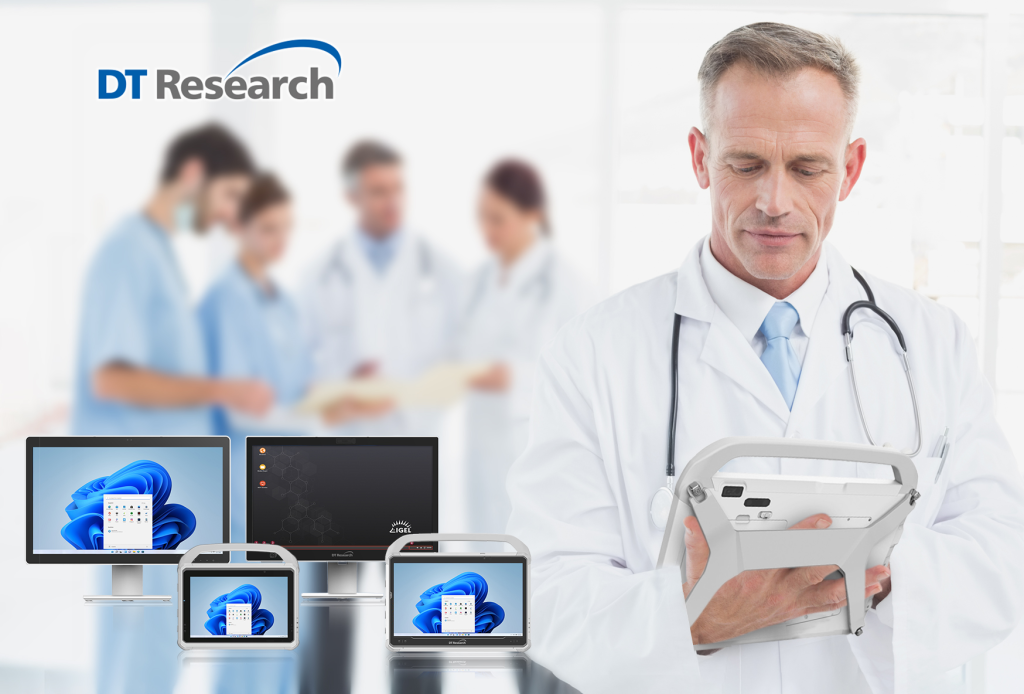
By utilizing medical tablets and medical computing all-in-one workstations, systems can leverage predictive analytics at an enterprise scale that performs reliably and safely. When you view identity as a cross-functional asset, it supports everyone from clinical and marketing teams to access, scheduling, and security.
Predictive Analytics at Enterprise Scale
Digital transformation initiatives can only deliver on their promise if the foundation is strong. That foundation depends on the integrity of identity data.
DT Research medical tablets and all-in-one workstations provide the reliable interface needed for predictive analytics at scale. These systems work safely at an enterprise level so that structured reporting provides leaders with the visibility they need to make informed decisions. By treating identity as a cross-functional asset, health systems can reduce operational burdens and speed time to value for strategic initiatives. Whether it’s scheduling, revenue cycle management, or compliance, having a single source of truth, accessible through high-performance, is essential.
Charting a Path Toward Integrated Care
The end goal of modern medical computing is simple but meaningful: improve the foundation of healthcare IT so clinicians can focus on what matters most. DT Research is helping health systems escape disjointed data and build a unified, efficient future through accurate identity resolution and seamless integration with legacy and modern systems.
As we look forward to the innovations that will be showcased in HIMSS Europe, we see that the future of medicine is integrated, mobile, and data-driven.