
The conversation around defense computing in the Indo-Pacific theater is shifting fast. However, one reality stands out above all others: software algorithms are only as operational as the hardware running them at the point of action.
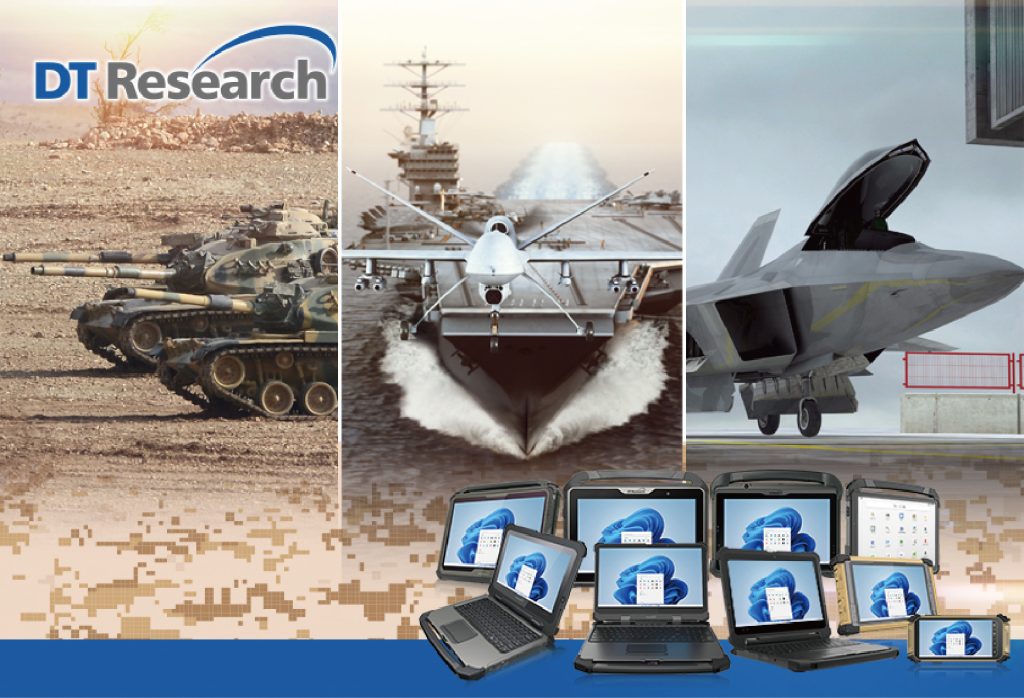
As defense organizations advance intelligent, data-driven technologies to support faster, more informed decision-making, the need for reliable computing at the point of operation continues to grow. Traditional cloud-dependent infrastructure may face connectivity and accessibility limitations in demanding or disconnected environments. DT Research rugged computing solutions help bridge this gap by delivering secure, high-performance computing capabilities directly to personnel across land, air, and maritime operations, enabling real-time data access, operational continuity, and greater flexibility wherever missions take place.
Here is how Super Intelligence is reshaping cross-domain joint functions, why physical infrastructure is now the gating factor for military AI adoption, and why mission-critical hardware must be built for the tactical edge.
Super Intelligence: Augmenting Human Judgment Across Joint Domains
Super Intelligence in defense operations isn’t about replacing the operator; it is about cognitive augmentation. Super Intelligence aggregates massive streams of sensor data to process sensor-to-troop workflows in seconds, not hours.
When integrated into everyday joint tactics, techniques, and procedures, Super Intelligence tools supercharge standard cross-domain functions:
- Command & Control (C2): Dynamic, real-time field synchronization, automated planning tools, and rapid project management.
- Intelligence: Multi-source data fusion, automated target recognition, and real-time collection management.
- Fires: Fast target development, target pairing support, and automated damage assessment.
- Movement & Maneuver: Rapid course-of-action generation, dynamic routing, and instant re-tasking in changing spaces.
- Protection: Automated risk assessment, early-warning detection, and integrated force-protection planning.
- Sustainment: Predictive logistics forecasting, real-time asset visibility, and off-grid supply optimization.
- Information: Real-time situational awareness and cognitive assessment of the information environment.
Operational planners and staff need rugged mobile hardware capable of executing these complex mission threads locally while giving leaders a clear framework to evaluate Super Intelligence’s recommendations against human judgment.
The Gating Factor: Mobile, Containerized, and Edge Hardware Architecture
Deploying advanced algorithms to the edge introduces massive hardware challenges. High-density Super Intelligence and neural network inference workloads demand GPU-accelerated computing, dense RAM, fast storage, and high-bandwidth interconnects. The back-end computer is moving out of hyperscale facilities and into transportable footprints like ISO containers, tactical vehicle mounts, and modular field enclosures.
While high-density containerized racks process massive data aggregations on resilient off-grid power, field teams need portable windows into that intelligence matrix. A command staff member or warfighter in the field cannot carry a server rack. They need the full power of that Super Intelligence fabric delivered to a personal, rugged endpoint.
DT Research: Purpose-Built Edge Compute for Mission-Critical Operations
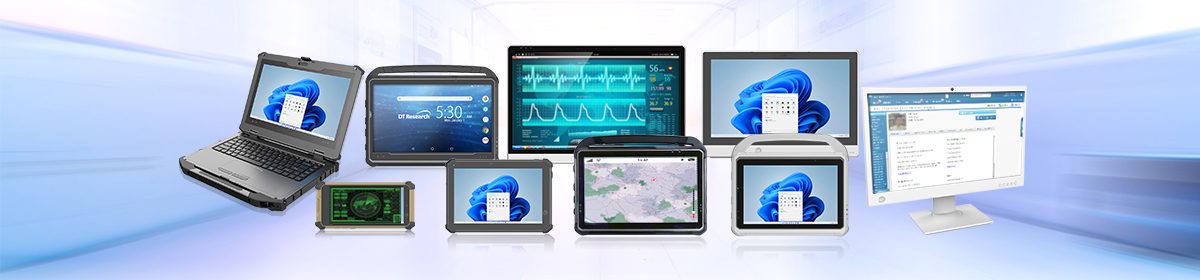
Precision-engineered military-grade rugged tablets, laptops, and mobile workstations are designed specifically for harsh, data-intensive operational environments. When mission success depends on seamless Super Intelligence execution at the edge, rugged mobile computers deliver where standard commercial hardware fails.
1. High-Performance Processing for Local Super Intelligence Inference
Equipped with advanced Intel® Core™ Ultra processors and high-performance graphics capabilities, rugged tablets and laptops deliver powerful edge computing directly where it is needed. This enables defense personnel to run advanced planning applications, process complex data, access digital mapping tools, and support critical operational workflows locally, even when connectivity to centralized cloud networks is limited or unavailable.
2. Built for DDIL & Harsh Tactical Environments
From extreme heat and water spray to heavy shock and vibration, our tactical endpoints are certified to MIL-STD-810H, MIL-STD-461G, and IP65 standards. High-brightness, sunlight-readable displays (up to 1,000 nits) with optional night vision capabilities ensure operational clarity from full daylight to covert nighttime operations.
3. Continuous 24/7 Operational Availability
Mission-critical SI workflows cannot pause for battery swaps. Rugged tablets and laptops feature hot-swappable battery architectures, letting operators swap power packs on the fly without shutting down critical mission applications or losing situational awareness data.
4. Zero-Trust Security & Seamless Connectivity
Equipped with integrated CAC/Smart Card readers, encrypted SSD storage, and advanced wireless connectivity options, including 5G, WiFi 6, and continuous connectivity options, rugged computing solutions support secure access to critical systems and data across distributed defense operations. These capabilities help personnel maintain reliable communication, connect with enterprise and edge computing infrastructure, and support Zero Trust security principles while protecting sensitive information in demanding operational environments.
Accelerating SI Adoption Across Joint Forces
Integrating Super Intelligence into joint force operations requires trust, reliability, and hardware resilience. By equipping planners, intelligence analysts, fire coordinators, and field operators with ruggedized computing systems, defense organizations can shorten decision loops, test SI capabilities against real-world TTPs, and maintain decision dominance across the Indo-Pacific.
When the mission demands Super Intelligence at the tactical edge, look to hardware purpose-built for the field.