
For millions of families living in rural towns and remote areas, seeing a healthcare specialist is an all-day event, from driving several hours each way to the nearest regional clinic, taking time off from work, burning expensive fuel, and coordinating childcare. Far too often, rural residents delay routine checkups, skip physical therapy, or manage chronic conditions in isolation simply because specialist care is out of reach.
However, telehealth kiosks and private consultation booths are quietly changing that dynamic. Health systems are creating a direct healthcare bridge to underserved populations by deploying secure, high-speed virtual care stations in everyday public venues.
Meeting Patients Where They Already Go
Instead of requiring patients to travel to large medical centers, healthcare organizations are establishing walk-in consultation pods at trusted, high-traffic community locations:
- Public Libraries: In states like New Mexico, libraries are major hotspots for the internet. Modular telehealth pods leverage these connections to offer local residents confidential virtual doctor visits.
- Community Centers & Pharmacies: Decentralizing health hubs are popping up in neighborhood centers and rural pharmacies—great locations where patients can see a physician and pick up their prescriptions in one stop.
- Tribal Reservations: Placing kiosks directly on tribal lands helps tackle severe, systemic healthcare shortages by giving residents direct access to specialized clinical consultations and mental health professionals.
Private Spaces with Integrated Diagnostics
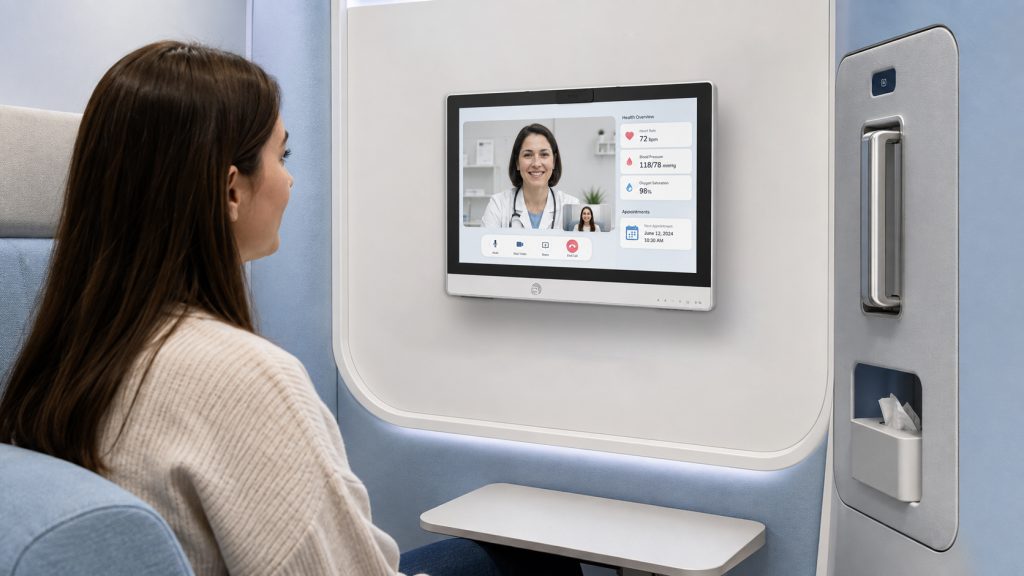
A modern telehealth kiosk is much more than a tablet mounted on a wall. Telehealth kiosks and consultation pods provide self-contained and wheelchair-accessible environments. Patients enjoy the full privacy needed to discuss sensitive medical concerns, mental health, or routine symptoms comfortably.
These pods don’t just have basic video chat but advanced diagnostic tools. Connected blood pressure cuffs, digital stethoscopes, thermometers, and otoscopes are among the on-site instruments that send live vitals to the consulting physician. Instead of making guesses, doctors get accurate real-time clinical data to diagnose the condition right on the spot.
Built for Demanding Public Use: DT Research Medical All-in-Ones
Deploying virtual care hardware in public, high-foot-traffic locations poses unique challenges. Standard consumer electronics and off-the-shelf tablets aren’t built to withstand frequent disinfections, continuous operation, or harsh environmental exposure.
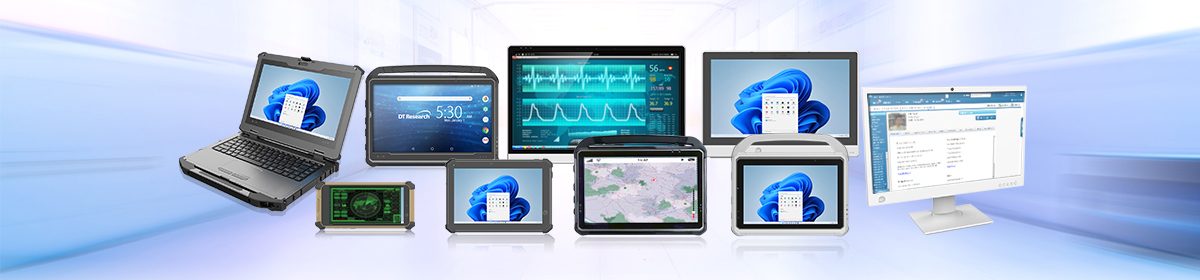
That is why leading kiosk architects rely on precision-engineered healthcare computing solutions like the DT556LA (15.6″) and DT573LA (17.3″) medical-grade all-in-one computers. Designed specifically for point-of-care reliability, these mountable computers provide:
- Infection Protection: Antimicrobial enclosures paired with a fanless, quiet design prevent airborne bacteria buildup and tolerate rigorous daily cleaning protocols.
- Public-Grade Durability: IP65-rated front panels resist dust, debris, and accidental fluid spills.
- Uninterrupted Power: Integrated dual hot-swappable batteries protect consultations against unexpected power flickers or rural grid outages.
- Flexible Kiosk Mounting: VESA-mount compatibility enables seamless integration into compact booth walls, mobile carts, or desk assemblies.
- Data & Access Security: Built-in smart card/CAC and RFID options ensure HIPAA-compliant data handling and fast clinician authentication.
Powered by Intel® Core™ Ultra processors running Windows® 11 IoT Enterprise, the DT556LA and DT573LA deliver fast touch response and crisp video rendering, which make remote doctor visits feel intuitive and personal for patients of all technical comfort levels.
A Sustainable Lifeline for Rural Health
Quality healthcare should never depend on a zip code. By bringing together comfortable, private consultation spaces and reliable, medical-grade computing solutions from DT Research, community leaders are making specialist care accessible to everyone right in their own hometowns.