
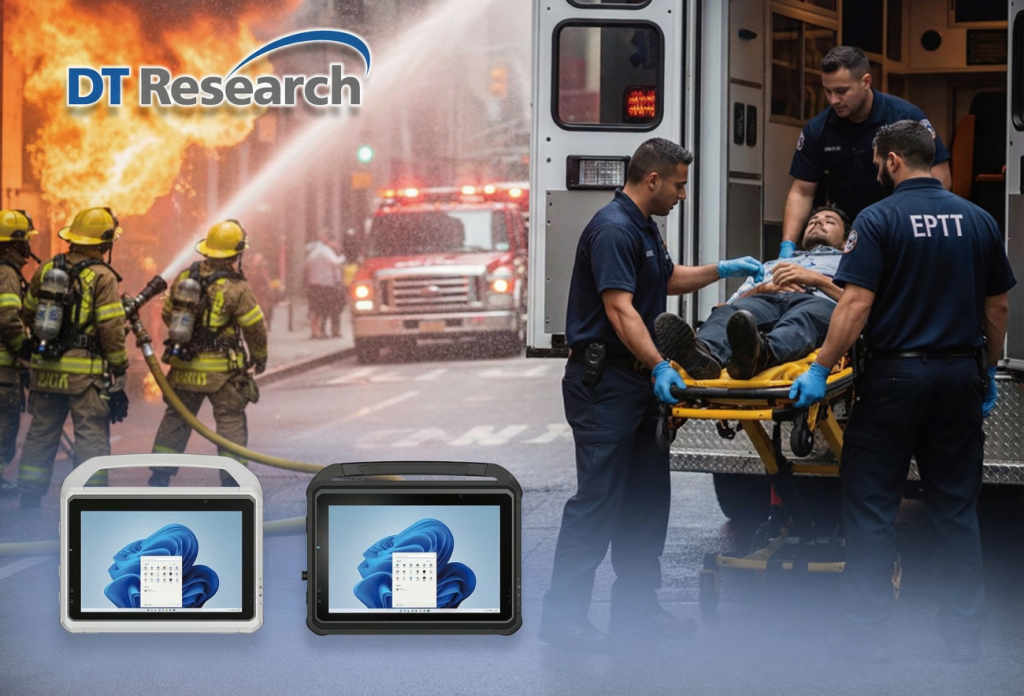
At the scene of an emergency, there is little room for error. Every second counts, and emergency medical services, paramedics, and firefighters alike must operate swiftly and accurately. However, for decades, the technology taken to the front lines has lacked both quality and efficiency. Delicate laptops and even consumer tablets break or become unusable at the sharp edges of active patient care.
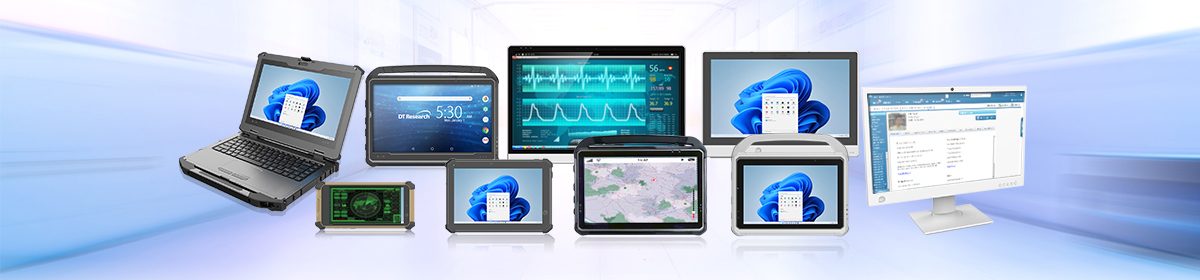
Purpose-engineered rugged medical tablets are changing the game for emergency medical services, combining military-grade durability with cutting-edge telehealth solutions for a more efficient pre-hospital and in-facility experience.
Why Standard Consumer Electronics Don’t Belong at the Frontlines
EMS and firefighter encounters are some of the most demanding environments for sensitive electronics.
Rain, cold temperatures, internal vibrations of moving vehicles, and simple accidents at the worksite can render consumer-grade laptops and tablets inoperable. When it matters most, clinicians can’t afford system malfunctions that interrupt the critical chain of care.
First responders need durable medical tablets that can keep up with the harsh conditions of the frontlines.
Looking for devices that are rated to military specs (MIL-STD 810H) and Ingress Protection (IP65) rating standards provides paramedics and technicians with the peace of mind they need to focus on the task at hand. DT Research’s fanless tablets help support cleaner clinical environments by eliminating forced airflow that could circulate airborne contaminants within the device or around sensitive care areas. Antimicrobial coatings on the exterior of medical-grade rugged tablets help frontline workers maintain strict sanitation guidelines without compromising the integrity of the device’s housing.
Telehealth & Connected Care: What Happens at the Scene, Stays on the Tablet
Bringing a medical tablet directly to the patient helps maintain continuity of care throughout transport, keeping critical vitals, administered treatments, and patient identification securely documented and accessible in real time. With telehealth capabilities and integrated healthcare software, these tablets can also connect transport teams with hospital trauma units through emergency data networks, helping ensure critical information is available before the patient arrives.
This allows emergency medical personnel to send along videos, patient histories, and ePCR data seamlessly:
- ER doctors can review videos and vital signs before meeting the patient for the first time, cutting down on redundant testing and speeding up initial trauma assessments.
- Handwritten patient paperwork and lost forms are a thing of the past. Reliable tablets help keep patient records accurate and secure, with trusted digital recordkeeping and transfer systems.
Keeping Clinicians Connected: The Power of Tablets That Never Die
When it comes to mobile healthcare, paramedics and technicians simply cannot afford system downtime. Downtime equals potentially life-threatening interruptions to the chain of care. Medical tablets keep frontline clinicians connected via hot-swappable battery systems that keep devices running 24/7, without the risk of losing important patient data during a switch.
Meanwhile, smart tablet mounts and docks help first responders secure the small-footprint medical computing system in one place, reducing physical strain while keeping the tablet out of reach of children, pets, and other potential hazards.
Integrated Common Access Card (CAC) readers and Smart Card readers keep sensitive patient information secure, helping medical facilities stay compliant with federal privacy laws. Medical tablets are light enough to be carried in the hands of clinicians, or snapped into place inside a transport vehicle, where they can remain secured during rough roads without risk to the device’s internal components.
Leveling Up Your Emergency Medical Services
Saving lives is serious business. That’s why leading healthcare facilities and organizations are upgrading their pre-hospital emergency response procedures with rugged medical tablets. With telehealth-ready programs, tablet users can cut down on administrative hurdles and keep patient records accurate and private. Medical tablets also make it easier to file and process billing information, right at the scene.