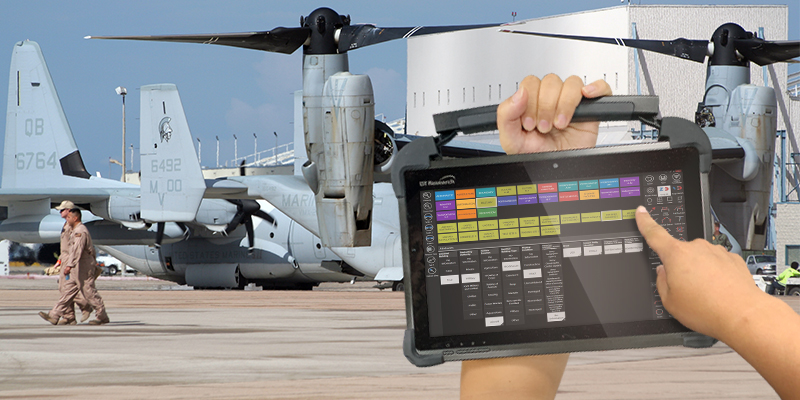
Why Cross-Domain Rugged Tablets Are the New Standard for Command and Control

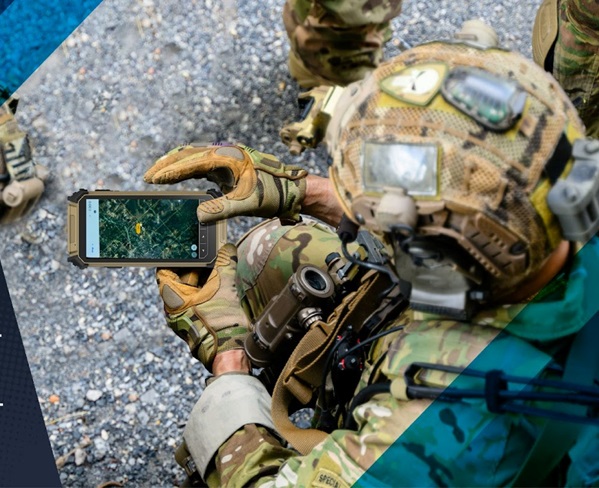
Modern defense operations depend on information moving securely, quickly, and reliably across multiple environments. The challenge is that mission-critical data does not live in one isolated system. It moves across unclassified logistics networks, secure tactical feeds, and highly classified intelligence channels.

Continue reading “Why Cross-Domain Rugged Tablets Are the New Standard for Command and Control”

How Military-Grade Tablets and Laptops Enable the Modular Open Systems Approach (MOSA)

Defense modernization now moves at the velocity of software development and data integration rather than traditional procurement cycles. Platforms must seamlessly incorporate emerging technologies, advanced analytics, secure communications, and evolving mission applications without triggering full hardware replacement.

As a result, the Modular Open Systems Approach (MOSA) has become a foundational strategy across U.S. defense programs. Through open standards and modular design, MOSA supports scalable upgrades, long-term lifecycle efficiency, and sustained interoperability across complex systems.

However, open architecture strategies are only as effective as the hardware supporting them. Modular software requires adaptable, standards-based computing platforms at the edge.

Enabling Open Integration at the Endpoint

MOSA depends on systems that can integrate new applications, sensors, radios, and peripherals without redesigning the entire platform. Military-grade rugged tablets and rugged laptops must support this flexibility from the outset.

Military-grade computing solutions are precision-engineered to align with open systems principles. Designed with modular expansion capabilities, integrated secure authentication, and compatibility with widely adopted operating environments, these platforms allow agencies to deploy new capabilities incrementally rather than through disruptive system overhauls.

This modularity reduces vendor lock-in while simplifying integration across multi-domain programs and joint initiatives.

Supporting Technology Refresh Without System Disruption

One of MOSA’s central objectives is accelerating technology refresh cycles. As processing power, AI acceleration, and connectivity standards evolve, computing platforms must adapt without forcing wholesale replacement.

Modern rugged tablets and laptops incorporate high-performance processors, AI-ready architectures, and secure connectivity frameworks that support emerging workloads. Expansion modules and configurable interfaces allow organizations to integrate new communications standards, positioning systems, and mission-specific peripherals over time. This approach extends platform lifecycles while preserving budget efficiency and minimizing operational disruption.

Built for Demanding Operational Environments

Open systems strategies cannot succeed if endpoint hardware fails in real-world conditions. Military-grade tablets and laptops must combine modular flexibility with environmental durability.

Military-grade tablets and laptops are engineered to meet rigorous standards for shock, vibration, temperature tolerance, and ingress protection. Features such as sunlight-readable displays, NVIS compatibility, and hot-swappable batteries ensure continuous functionality in diverse deployment environments.

Reliability at the hardware layer protects the broader open architecture ecosystem.

Advancing Interoperability and Long-Term Sustainability

MOSA strengthens interoperability across programs by promoting standardized interfaces and shared frameworks. Military-grade tablet endpoints serve as the human-machine interface within this ecosystem, consolidating data from sensors, networks, and enterprise systems into secure, mobile computing environments.

By aligning rugged hardware design with MOSA principles, defense organizations gain scalable, upgrade-ready infrastructure that supports long-term modernization strategies.

The Modular Open Systems Approach is more than a compliance requirement. It is a structural shift toward adaptability, interoperability, and sustainable innovation. Military-grade tablets and rugged laptops purpose-built for open integration ensure that this strategy delivers measurable, long-term value.

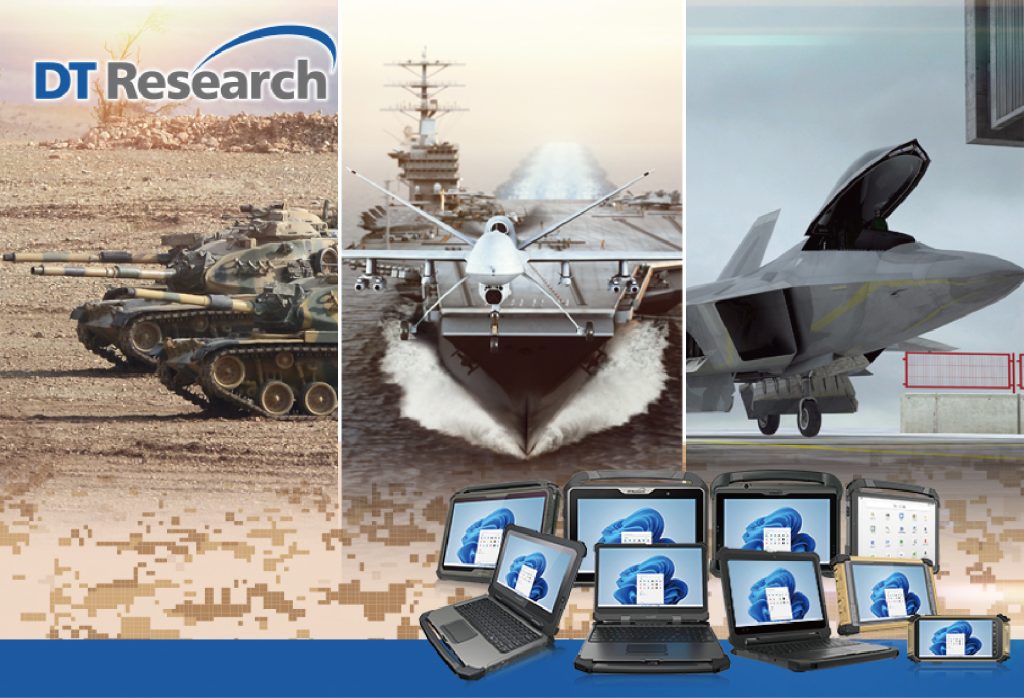
The Future of Maritime Operations: Precision-Engineered Tablets for Distributed Systems

The operating environment at sea is becoming more complex and dynamic. Large, centralized fleet structures are transitioning toward a more adaptive and networked model called Distributed Maritime Operations (DMO).

Continue reading “The Future of Maritime Operations: Precision-Engineered Tablets for Distributed Systems”

The Digital Front Line: Rugged Tablets at the Core of Data-Driven Military Operations

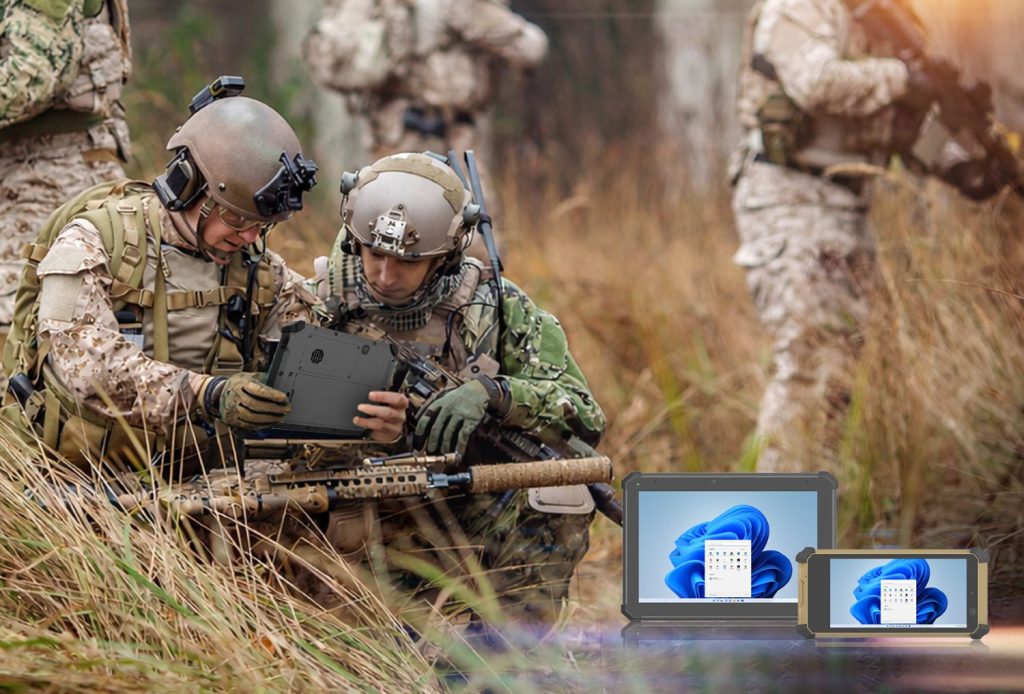
The military has made a clear shift away from off-the-shelf military-grade tablets toward customized solutions. Instead of opting for generic models, many organizations now partner with specialized consultants to design rugged computing systems that are precision-engineered to meet their mission-specific needs.

Continue reading “The Digital Front Line: Rugged Tablets at the Core of Data-Driven Military Operations”

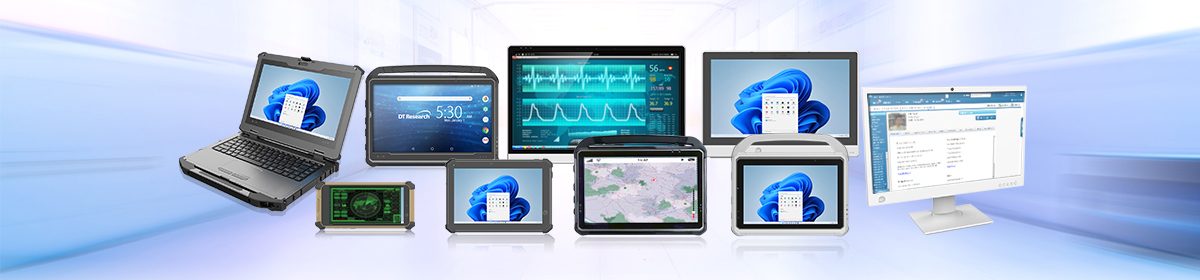
Rugged Tablets and Laptops for Military Healthcare: Accelerating Effectiveness Across the Military Health System

The Military Health System (MHS) has always been clear about its mission: protect, sustain, and restore the health of those who serve, from active-duty and reserve personnel to retirees and military families. What continues to evolve is how the MHS delivers on that responsibility in an increasingly complex operational landscape.

Continue reading “Rugged Tablets and Laptops for Military Healthcare: Accelerating Effectiveness Across the Military Health System”