
Every minute a team leader waits on relayed coordinates, aerial updates, or equipment readiness checks is a minute of lost advantage. Modern defense operations depend on the secure, efficient exchange of accurate information across military branches, allied organizations, and multiple security classification levels.
One of the ongoing challenges is maintaining strict separation between sensitive networks and operational field systems while ensuring authorized personnel have timely access to the information they need. Balancing data security with accessibility is essential to supporting effective communication, informed decision-making, and operational readiness.
Today, defense organizations are solving this problem by building secure bridges between isolated networks. These new systems carry vital updates from initial detection and aerial scouting straight through to review, decision-making, and action without weakening security walls. By cutting decision times and helping allied partners stay on the same page, this setup builds the reliable foundation of modern connected operations, smart software tools, and automated equipment needs.
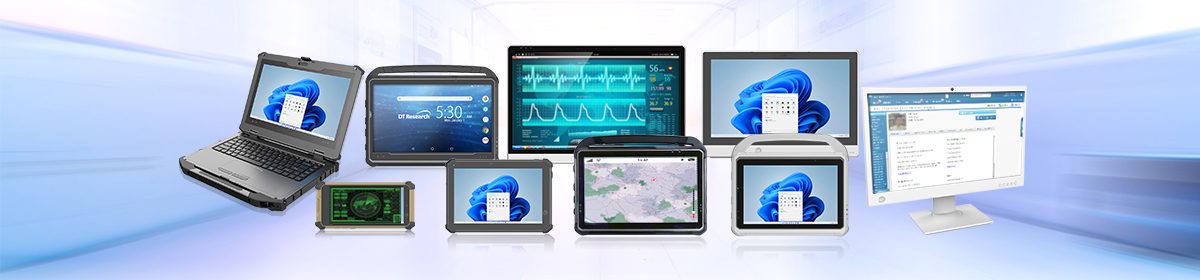
To make this work in the field, teams rely on purpose-engineered rugged tablets and laptops that put clear, trustworthy information in personnel’s hands, wherever they are stationed.
How the Connected Data System Works
Getting once-classified updates to teams in remote locations takes a smart setup where different tools build on one another to share the right details safely.
Four key pieces make this information flow possible:
- Integrated Command Networks: Main defense networks gather raw, restricted sensor feeds and tracking details from across the region.
- Smart Security Gateways: Dedicated translation tools take that restricted information, strip away sensitive sources and secret methods, and turn it into safe, unclassified updates that can be shared widely.
- Field Planning Software: Modern mapping and coordination programs receive those safe updates and turn raw numbers into easy-to-read map overlays and location markers.
- Standard Field Networks: Personnel on the ground view these combined updates over everyday unclassified networks, giving everyone clear awareness without putting top-secret network keys at risk.
From Detection to Action: A Step-by-Step Look
Secure, real-time access to critical information enhances situational awareness and supports faster, more informed decision-making. By securely processing and distributing authorized sensor data, defense organizations can improve coordination and operational efficiency while maintaining strict security protocols.
1. Monitor Real-Time Activity
Radar systems, aerial platforms, and advanced sensors continuously collect and transmit location data through secure networks, providing visibility into aircraft movements, unmanned systems, and potential hazards.
2. Securely Process and Share Data
Cross-domain security solutions filter, validate, and sanitize sensitive information, allowing approved operational data to move between networks with different security classifications without compromising restricted information.
3. Enhance Situational Awareness
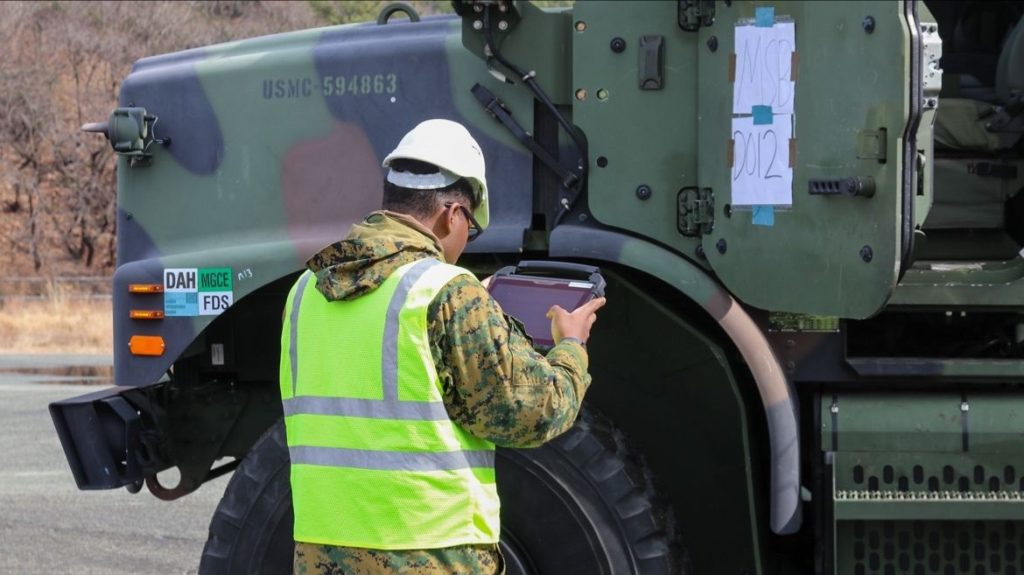
Personnel access real-time mapping, location data, and operational alerts through DT Research rugged tablets, enabling faster assessments, improved visibility, and informed decision-making in demanding field environments.
4. Streamline Operational Coordination
Integrated software, verified location data, and secure communication systems help teams coordinate protective measures, minimize communication delays, and maintain operational continuity across distributed locations.
By connecting secure information systems with rugged mobile computing, defense organizations can strengthen data accessibility, improve coordination, and support operational readiness.
Built for the Field: What Rugged Hardware Brings to the Table
Even the smartest data network falls short if the screen in a team member’s hands breaks, washes out in the sun, or runs out of power. Delivering live updates to remote locations requires rugged laptops and tablets engineered for real-world field conditions.
Here’s why rugged computing matters in the field:
- Strong Access Control – Built-in smart card readers and removable encrypted drives keep unauthorized users out and let crews quickly remove stored data if needed.
- All-Weather Toughness – Drop-tested frames sealed against water and dust. Military-grade rugged tablets and laptops can survive bumps and vibration in moving vehicles, heavy rain, dust storms, and extreme temperatures.
- Clear Daylight Viewing – Rugged tablets and laptops for military displays show maps and alerts clearly in direct sunlight without forcing users to take off protective gear.
- All-Day Power – Military-grade tablets and laptops have dual-battery features that can be swapped without shutting down. These allow systems to keep running through long shifts without losing connection or rebooting.
- Reliable Connections – Vehicle-mount military rugged tablets pass-throughs and built-in GPS connect smoothly to vehicle roof antennas so teams keep a steady signal on the move.
Faster Decisions and Stronger Teamwork
Joint defense operations involving multiple military branches and international partners require secure, reliable communication across diverse systems and networks. Differences in infrastructure, security protocols, and data accessibility can create challenges that impact coordination and operational efficiency. Integrating secure data-sharing capabilities with DT Research rugged computing solutions helps improve interoperability, streamline information exchange, and address three key operational challenges:
- No More Waiting on Relays: Direct access to verified sensor data reduces reliance on manual radio communications and secondary information checks, enabling personnel to receive timely, accurate updates directly on their rugged computing devices.
- Smoother Partner Coordination: Because updates are safely converted into unclassified formats, allied teams can look at the same live map together without breaking strict information-sharing rules.
- Ready for Smarter Tools: Automated equipment and smart software depend on steady, up-to-the-second information. Delivering clean data straight to mobile field tablets and laptops sets the stage for faster planning and better coordination across every unit.
By pairing smart data-sharing gateways with tough, reliable military-grade rugged tablets and laptops, defense teams ensure every person in the field has the clear picture they need to complete the mission safely and effectively.