
Healthcare digital transformation is entering a new phase. Hospitals have spent years digitizing medical records, reducing paper-based processes, streamlining data entry, and implementing electronic workflows. Now, the opportunity is to take the next step by putting that information to work more effectively at the point of care.
The goal is no longer simply to collect more data. It is to turn clinical information into real-time, actionable insight that healthcare teams can access wherever care is taking place.
For hospitals building a more connected, data-aware healthcare environment, medical tablets can serve as an important link between clinicians, patients, medical devices, electronic medical records, and hospital-wide information systems.
Moving From Digital Records to Actionable Clinical Data
Modern hospitals generate enormous amounts of information through electronic medical records (EMRs), healthcare information systems (HIS), diagnostic systems, connected medical devices, laboratories, nursing workflows, imaging, and other clinical platforms.
A more proactive digital health ecosystem brings these different streams of information together so that clinicians can access relevant data without repeatedly moving between separate systems and workstations. Instead of treating information as something that is collected and reviewed later, healthcare organizations can make it available closer to the moment decisions are being made.
Medical tablets help extend this connected environment directly to the point of care, giving healthcare professionals mobile access to applications and patient information as they move between rooms, departments, and clinical settings.
Connecting Workflows Across the Hospital
Interoperability becomes increasingly important as hospitals move toward hospital-wide data ecosystems.
Rather than creating isolated digital tools for individual departments, healthcare organizations can integrate information into existing EMR and clinical workflows so that relevant data is available across nursing, pathology, emergency medicine, outpatient care, and other departments.
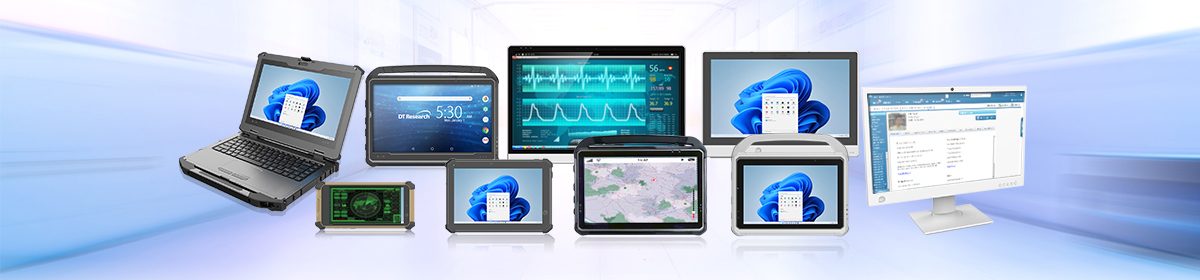
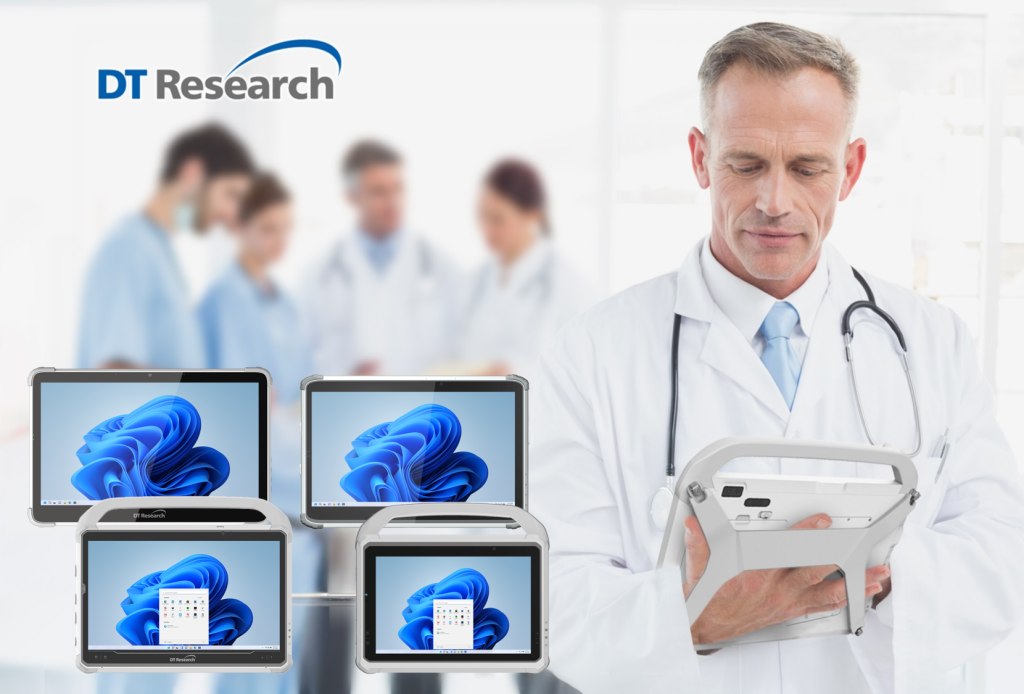
DT Research medical tablets are designed to help healthcare professionals monitor, record, retrieve, and transmit patient information while remaining mobile. Windows-based platforms can also support integration with existing healthcare applications and systems.
That mobility can support workflows such as:
- Reviewing patient records and clinical information at the bedside
- Capturing and entering patient data closer to the source
- Accessing diagnostic or laboratory information across departments
- Connecting compatible peripheral and data-capture technologies
- Updating documentation without returning to a stationary workstation
- Sharing current information across multidisciplinary clinical teams
The result is a more continuous flow of information throughout the healthcare environment.
Reducing Friction in Clinical Workflows
One of the greatest opportunities in healthcare technology is removing repetitive steps that take clinicians away from patient care.
Consider outpatient vital-sign collection. When compatible technologies automatically capture measurements such as blood pressure or heart rate and integrate those readings into digital workflows, staff may spend less time manually recording and transferring information.
Clinical documentation presents another opportunity. Digital systems can help organize large volumes of information generated throughout a nursing shift and make relevant data easier to review and document.
These improvements are not about replacing clinicians. They are about reducing administrative friction so healthcare professionals can spend more of their attention where it matters most: with the patient.
Medical Tablets at the Point of Care
Point-of-care technology must also be designed for the realities of healthcare environments.
DT Research medical tablets combine mobile computing with healthcare-focused features that can include antimicrobial enclosures, ANSI/AAMI ES60601-1 certification, cameras, barcode scanners, RFID readers, wireless connectivity, and hot-swappable batteries. Select medical tablets also offer IP65-rated protection and MIL-STD-810H durability.
These capabilities allow a single mobile computing platform to support a wide variety of clinical applications while giving healthcare professionals access to the information they need throughout their workflows.
Creating a More Proactive Healthcare Environment
The next stage of hospital digital transformation is ultimately about making existing information more useful.
As healthcare organizations improve interoperability and connect data across departments, medical tablets can bring those insights directly into clinical workflows. Instead of information remaining locked inside individual systems, it can travel with healthcare professionals to the bedside, examination room, nursing station, emergency department, and beyond.
By delivering secure, mobile access to real-time clinical information, DT Research medical tablets help hospitals move beyond digitalization toward a connected, data-aware healthcare ecosystem built around more efficient workflows, informed decisions, and greater time-to-care.