Effective communication is essential to patient care in the time-sensitive healthcare settings of today. However, providing prompt and accurate treatment is frequently hindered by communication challenges and language barriers. That’s where innovative solutions, such as Mobile Translation Stations powered by rugged medical tablets, come into play, offering real-time translation for spoken and sign languages in any healthcare setting.
Rugged Medical Tablets at the Core of Mobile Translation Stations
Rugged medical tablets and medical all-in-ones are not just tough—they’re built for functionality, flexibility, and mobility. As healthcare continues to evolve, the need for accessible language services has become a priority. DT Research, in collaboration with Homeland Language Services, is at the forefront by integrating rugged medical tablets into 5G-enabled Mobile Translation Stations that bring communication support directly to the patient’s side.
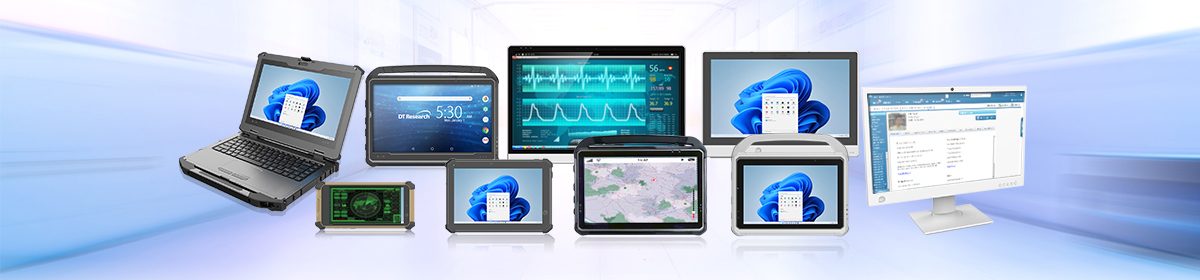
The Mobile Translation Stations leverage DT Research’s 373MD medical tablet or 584TM all-in-one medical computer, each equipped with a large 17-inch or 24-inch display, embedded 5G connectivity, high-quality speakers, and two- way microphones for clear voice transmission. Mounted onto lightweight and slim carts, the entire setup is designed to be effortlessly moved between patient rooms, lobbies, conference areas, outdoor clinics, and more. Whether you’re in a hospital, a temporary triage tent, or a community health fair, the Mobile Translation Station ensures no patient is left misunderstood.
Real-Time Multilingual Translation
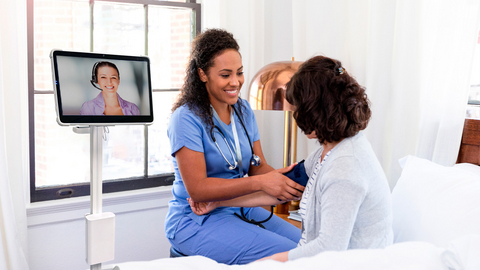
One of the most powerful features of the Mobile Translation Station is its ability to provide real-time language translation across a wide range of spoken languages. Medical staff can easily wheel the station into a patient’s room and initiate an immediate video call with a certified medical interpreter or use AI-driven translation tools.
With multilingual support, healthcare providers can discuss diagnoses, explain treatments, and obtain informed consent without the delay or confusion that often comes with language barriers. This kind of seamless communication improves not only clinical outcomes but also patient satisfaction.
Empowering Sign Language Access
In addition to spoken language interpretation, Mobile Translation Stations powered by rugged medical tablets or All-in-ones are also equipped to support sign language communication. The large, high-resolution screens make it easy for patients and staff to see interpreters. This is a game-changer for the deaf and hard-of-hearing community, offering them equitable access to care.
For patients who communicate using American Sign Language (ASL) or other visual communication methods, being able to interact through a mobile, high-quality display can significantly reduce stress and confusion in already sensitive medical situations.
Built for Any Healthcare Setting
What sets rugged medical tablets apart from traditional tablets or desktop systems is their versatility and durability. Designed to withstand the rigors of clinical environments—such as constant mobility, sanitation procedures, and unpredictable conditions—these tablets are ideal for on-the-go translation stations.
The DT Research medical tablets and all-in-ones are also fanless, which is ideal for sterile environments, and have antimicrobial enclosures to help reduce the spread of infections. Their all-in-one design, combined with 5G capabilities, ensures reliable connectivity and video conferencing no matter the location.
Whether deployed in a bustling urban hospital or a rural pop-up clinic, the Mobile Translation Station provides immediate language support where it’s needed most.
Benefits Beyond Translation
Mobile translation stations with rugged medical tablets do more than just provide language services. They can also double as:
- Telehealth consultation hubs
- Remote mental health support portals
- Interactive patient education stations
- Data entry and digital form submission units
This multi-functionality makes them a cost-effective investment for healthcare providers aiming to improve accessibility, communication, and care delivery.
A Step Toward More Inclusive Healthcare
The partnership between DT Research and Homeland Language Services reflects a broader commitment to inclusive, patient-centered care. By integrating rugged medical tablets and AIOs into a mobile translation system, healthcare professionals now have a dependable tool to ensure that no language barrier hinders patient understanding.
As healthcare systems prioritize equity and patient engagement, technologies like mobile translation stations serve as essential tools. They reduce delays in care, enhance compliance, and ultimately improve health outcomes by ensuring that every patient—regardless of language or ability—feels seen, heard, and understood.
Rugged medical tablets and AIOs are transforming healthcare delivery by making communication seamless, mobile, and multilingual. With large display options, lightweight carts, and integration with sign language and multilingual interpreters, Mobile Translation Stations are empowering providers to deliver truly inclusive care.
For hospitals, clinics, and public health systems looking to bridge the communication gap, investing in rugged medical tablet-based mobile translation stations is a step toward a more connected and compassionate future.