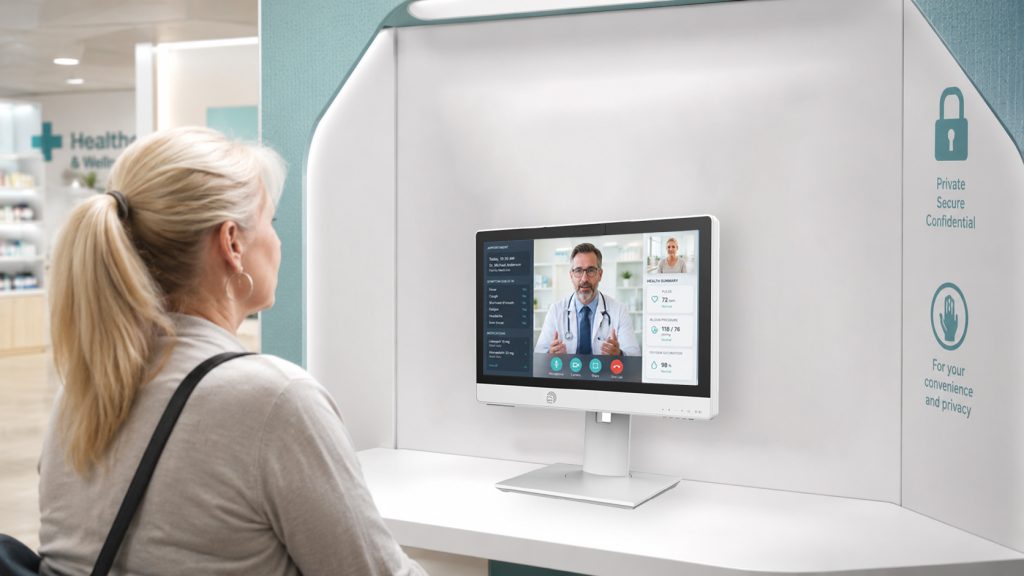
As the healthcare community gathers for HIMSS Europe in Copenhagen, the industry conversation is no longer centered on whether healthcare should become more digital. That shift is already underway. The greater challenge now is whether healthcare organizations can connect the many systems, teams, and data sources that shape the patient experience.
Modern military asset management depends on accurate, real-time data. Every vehicle, tool, spare part, supply item, and mission-critical asset must be tracked, verified, and ready when needed. Yet many defense logistics environments still rely on fragmented systems, manual inventory counts, spreadsheets, and delayed reporting.
That approach creates risk.
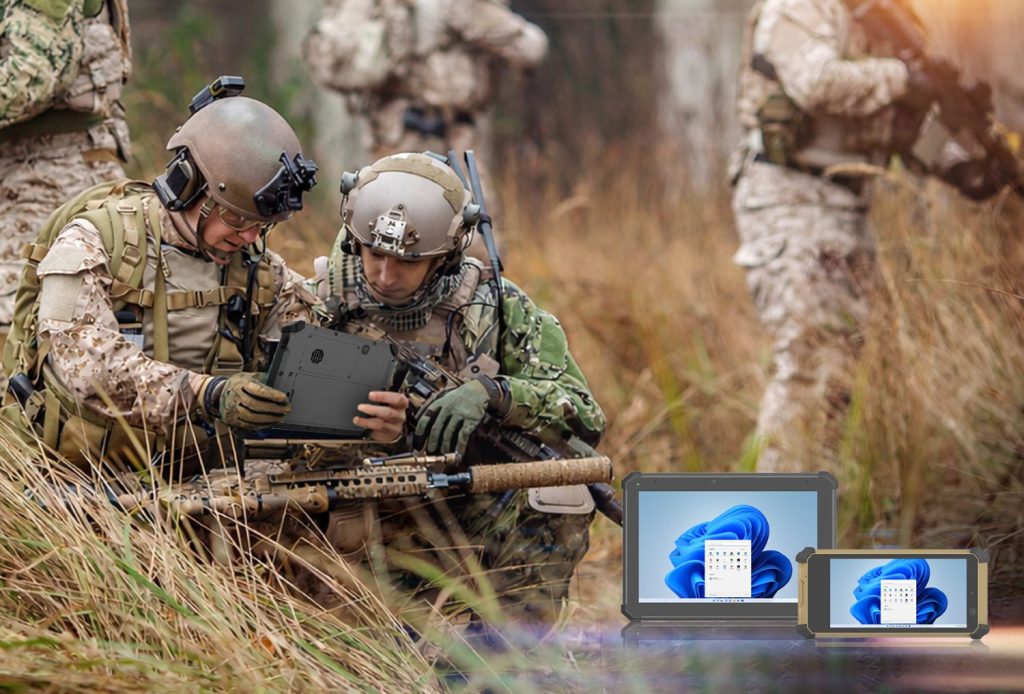
As military organizations modernize logistics and supply chain visibility, military grade tablets are becoming essential tools for improving asset tracking, inventory accuracy, and operational readiness.
A recent Military Embedded Systems article highlighted how the U.S. Marine Corps is improving asset management through the Marine Corps Platform Integration System, known as MCPIC. The system uses automatic identification technology and rugged tablets to transmit live RFID data, helping personnel improve visibility across inventory, maintenance, deployment, and distribution workflows.
Why Military Asset Management Needs Rugged Mobility
Military asset management is not just about knowing what equipment exists. It is about knowing where assets are, what condition they are in, where they are moving, and whether they are ready for use.
When data is delayed or disconnected, teams can face:
Incomplete inventory visibility
Slower asset verification
Misplaced or untracked equipment
Delayed maintenance workflows
Reduced accountability
More administrative burden
Military grade tablets help solve these challenges by giving personnel a rugged, secure, mobile way to capture and access asset data directly where the work happens.
From Manual Counts to Real-Time Visibility
RFID-enabled workflows are changing how military teams manage inventory. Instead of relying on slow manual processes, rugged tablets can help transmit asset data in real-time from warehouses, maintenance facilities, deployment areas, and distribution points.
This supports:
Faster inventory counts
Real-time location tracking
Better chain-of-custody visibility
More accurate deployment readiness data
Stronger audit support
Improved coordination across teams
The result is a more precise, connected, and accountable asset management process.
Why Military Grade Tablets Matter
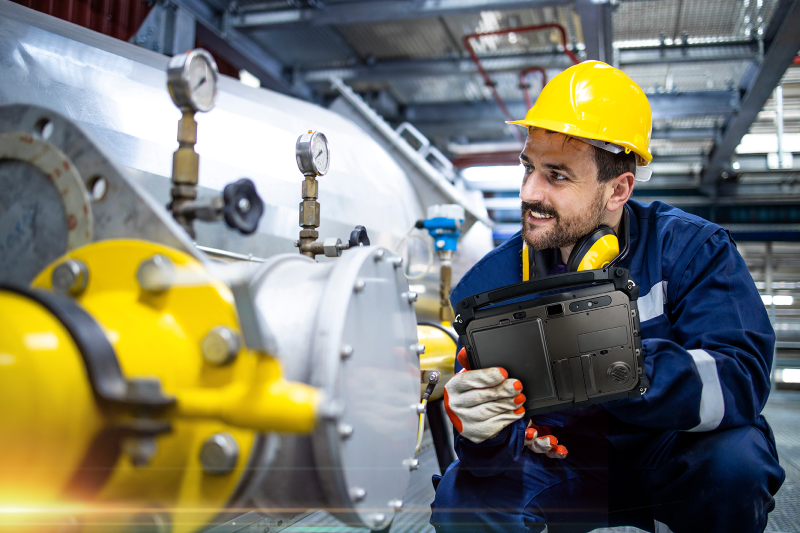
Consumer-grade devices are not built for demanding defense environments. Asset management often takes place in warehouses, vehicles, outdoor staging areas, maintenance facilities, and remote locations where devices may face vibration, dust, moisture, extreme temperatures, glare, and constant handling.
DT Research military grade tablets are precision engineered for these conditions, with rugged features that may include:
MIL-STD durability
IP-rated protection
Sunlight-readable displays
Hot-swappable batteries
CAC/smart card reader options
RFID and barcode support
Secure wireless connectivity
Docking and vehicle integration
These features help military teams keep asset data moving, even in challenging environments.
Supporting Readiness Through Better Data
Asset management is directly tied to readiness. If teams cannot locate equipment, verify inventory, or trust their data, operations slow down.
Military grade tablets help personnel:
Validate assets at the point of handling
Capture updates in real time
Reduce manual entry errors
Improve reporting accuracy
Strengthen accountability
Support faster decision-making
For defense logistics, rugged mobility is not just a convenience. It is part of a smarter data strategy.
Conclusion
Modern military asset management requires secure, accurate, and real-time visibility across equipment, supplies, and movement. Military-grade tablets give defense teams the rugged mobile tools needed to improve inventory workflows, support RFID tracking, strengthen auditability, and enhance operational readiness.
As we celebrate International Nurses Day 2026, the theme emphasizes the essential role nurses play in the future of healthcare. Behind every successful patient outcome is a nurse managing a complex web of data, clinical tasks, and medical-grade care.
A modern construction site is no longer just dirt, steel, and manual labor. It has become a high-tech environment where data is as foundational as concrete. To keep up with the modern engineering demands and tight project timelines, construction firms are moving beyond paper blueprints and consumer-grade tablets that shatter at the first drop.
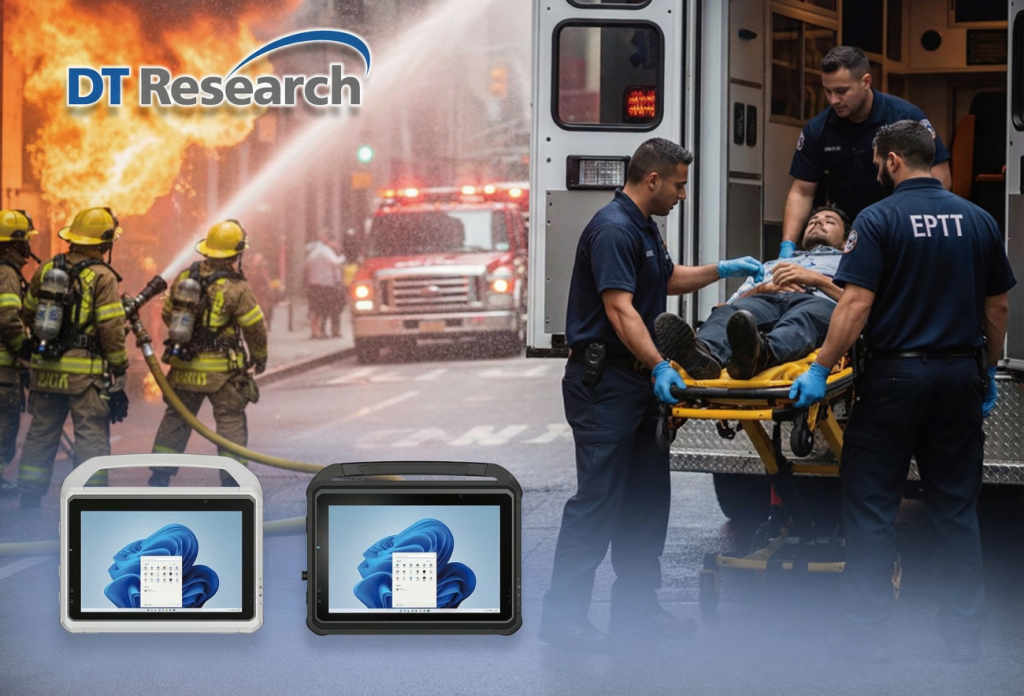
For our first responders, the ability to act quickly and reliably with concentration, commitment, and accuracy is crucial.In an emergency setting, “good enough” technology just won’t do. When you’re responding to a multi-vehicle pileup at 3:00 AM or coordinating a search-and-rescue in a torrential downpour, your equipment needs to be as resilient and reliable as you are.