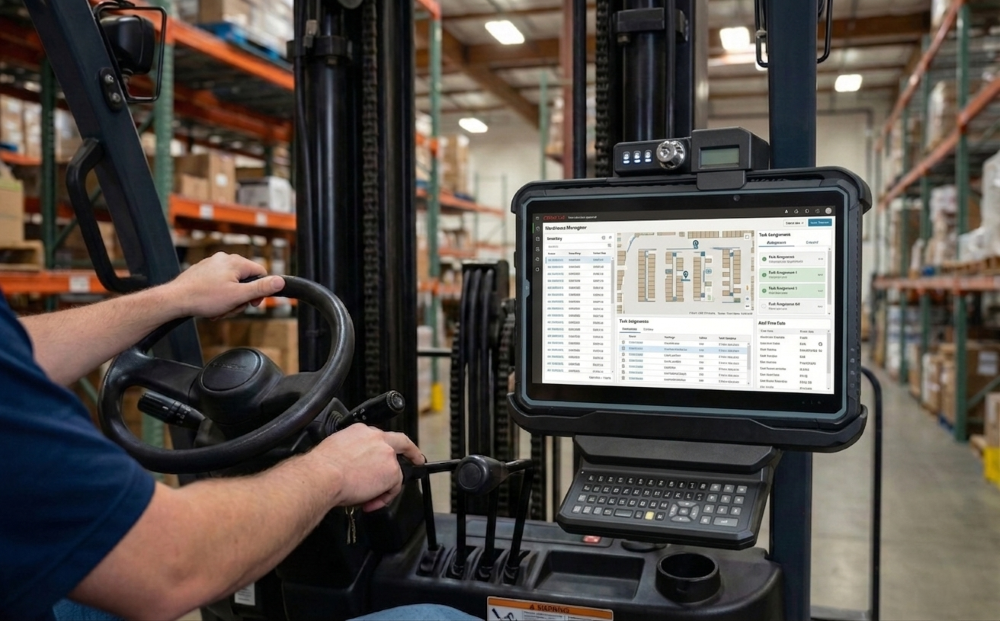

Modernizing the Department of the Air Force technology is not simply a matter of moving aging applications into the cloud.
Continue reading “Modernizing the Air Force Digital Edge: Visibility, Security, and Flexible Rugged Computing”

Modernizing the Department of the Air Force technology is not simply a matter of moving aging applications into the cloud.
Continue reading “Modernizing the Air Force Digital Edge: Visibility, Security, and Flexible Rugged Computing”
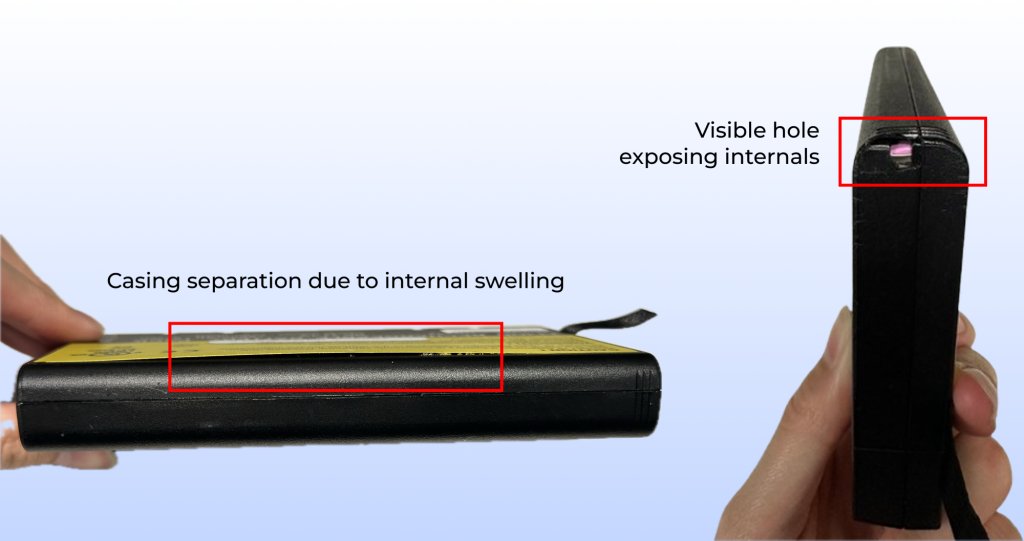
Lithium-ion batteries power mobile devices across healthcare, government, logistics, manufacturing, and field operations. But unlike the device itself, a battery is a consumable component. Every charge cycle, period of storage, temperature fluctuation, and year of use gradually affects battery health.
Because much of this degradation happens internally, an unhealthy battery may not immediately appear damaged. Recognizing the warning signs early and establishing proper battery inspection and replacement procedures can help organizations protect employees, equipment, and operational uptime.
Battery degradation is a normal part of the battery lifecycle, but several factors can accelerate the process:
For organizations managing fleets of rugged tablets and medical all-in-one computers, battery maintenance should be treated as part of overall device lifecycle management.
A battery showing physical abnormalities or unusual operating behavior should never be ignored.
A swollen battery may push against the device enclosure or prevent the battery from sitting properly within its compartment. If any of these conditions occur, discontinue use and charging immediately.
A battery that is swollen, leaking, overheating, cracked, or otherwise damaged should not be returned to normal operation.
Never puncture, crush, bend, open, or attempt to repair a swollen or damaged lithium-ion battery.
Lithium-ion batteries should never be placed in regular trash or standard recycling containers. Damaged batteries can create a fire hazard during collection, transportation, and processing.
Instead, organizations should follow manufacturer guidance and use an appropriate battery recycling, hazardous waste, or certified e-waste facility. Businesses managing large device fleets should also establish a documented process for identifying, isolating, tracking, and disposing of damaged batteries.
An overheating lithium-ion battery can enter a condition known as thermal runaway, which can result in venting, fire, or additional battery cells becoming involved.
Battery fires can reignite even after the visible fire appears controlled, so emergency response should be left to trained personnel.
Organizations deploying rugged tablets and medical all-in-one computers across demanding environments should incorporate battery health into routine fleet maintenance. Preventative measures can include:
For operations where device uptime is critical, hot-swappable battery designs can provide an additional advantage by allowing batteries to be replaced while helping maintain continuous device operation.
Rugged tablets and medical all-in-one computers may be precision engineered for years of use, but their batteries operate on a different lifecycle. Treating batteries as consumable components helps organizations recognize developing problems, plan replacements, and maintain a safer, more dependable mobile technology fleet.
Regular inspection, proper charging and storage practices, responsible recycling, and proactive battery fleet management can help support consistent performance, workforce productivity, and operational readiness.

Every warehouse manager and logistics leader knows the drill: leadership invests heavily in shiny new IoT sensors, predictive maintenance algorithms, and cloud dashboards to modernize the supply chain. Yet, downtime still happens. Shipments still get mislaid in the yard, and critical conveyor motors still burn out while maintenance tickets sit in an unread queue.
Continue reading “The Frontline Mobile Edge: Why Hardware Durability is the Missing Link in Real-Time Logistics and Predictive Maintenance”
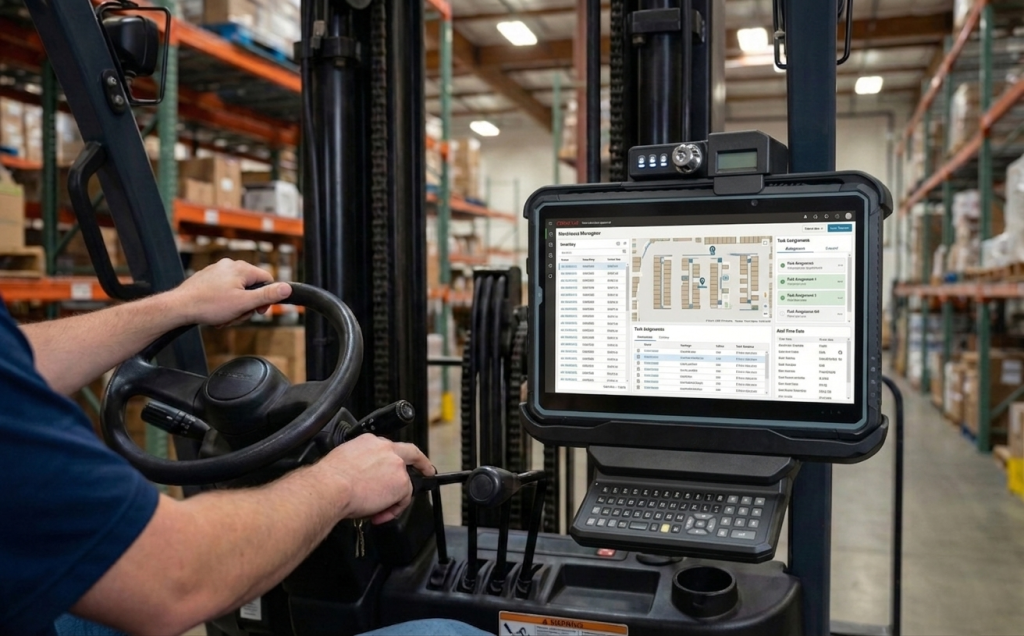
Running a busy warehouse is chaotic. Forklifts are constantly moving, schedules are tight, and even a few minutes of unexpected downtime can throw off an entire day’s shipments.
Continue reading “Driving Logistics Forward: Why Rugged Tablets Are Essential for Forklift Fleet Management and Maintenance”
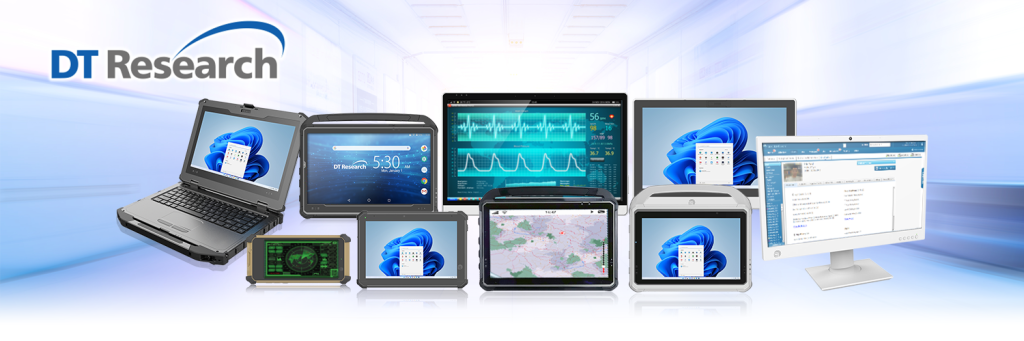
Organizations that rely on Windows-based computing devices should review an important Microsoft security transition now underway. Microsoft is replacing its original 2011 Secure Boot certificates with updated 2023 certificates to help maintain trusted, boot-level protection across supported Windows systems.
Continue reading “Microsoft Secure Boot Certificate Updates: What DT Research Device Fleets Need to Know “