Over the past ten years, cyber security has increased dramatically. It no longer is a job relegated to protecting large corporate networks, financial information, and email accounts.
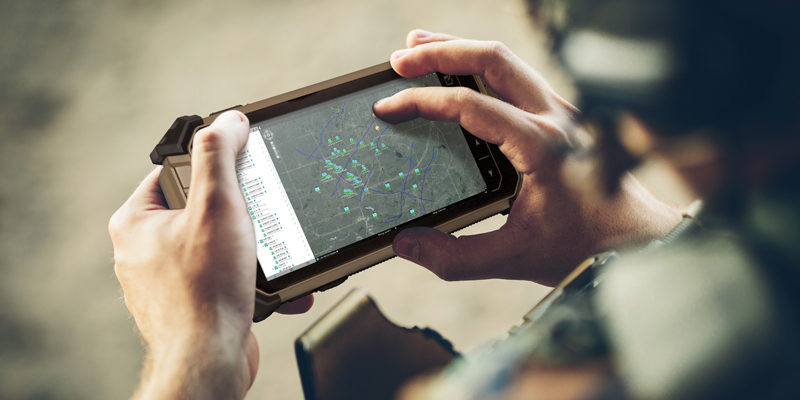
commander of the Rangers paves the route on an electronic tablet
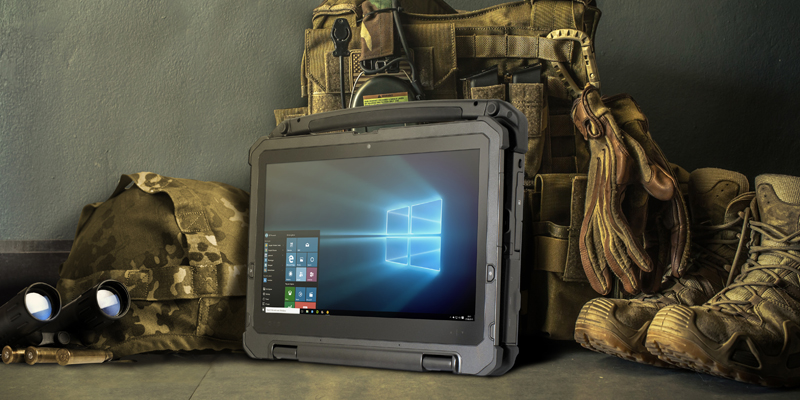
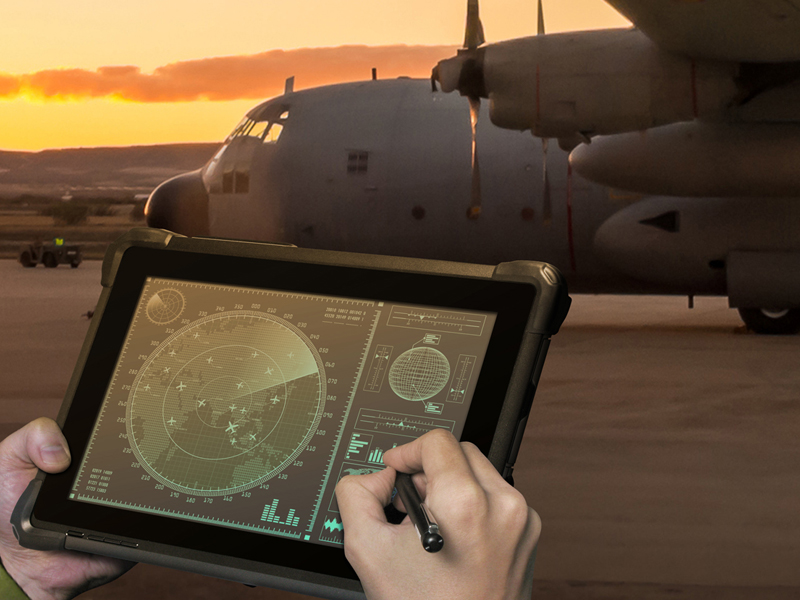
Ruggedized electronics are now found in advanced intelligence, communication, navigation, and weapons systems, among other locations in the military’s developing Internet of Things (MIoT). Edge computing is a true force multiplier because it provides superior situational awareness, increased operational capacity, increased safety, and many other benefits to military personnel and commanders – even in the most distant, physically challenging settings.
Precision, attention, efficiency, and accuracy are all hallmarks of military operations. The military’s Modernization Displacement and Repair Site, a one-stop-shop for the military to turn in equipment and have it removed from the books in a timely way, makes it a convenient option for internal administration, on the other hand, difficult to maintain the same degree of perfection due to the use of outdated technology and manual processes.
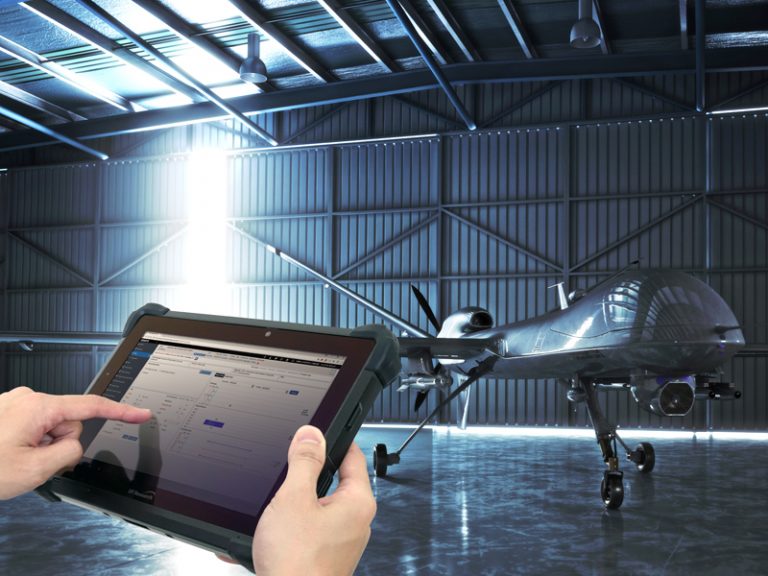
The present decade has seen an upsurge of research on the applications of autonomous vehicles and drones to present innovative and sustainable solutions for traditional transportation and logistical challenges. Using autonomous cars and drones resolves conventional logistics and transport challenges faced by the military during operations. Rugged tablets combined with drones deliver real-time, mobile management of collected data and remote asset tracking and control.
Asset and supply tracking is crucial for military bases so they can accurately know how many supplies they have and when they could run out, for proper ordering dates. Military personnel responsible for asset tracking depend on reliable technology to help them track and manage the assets that keep missions moving forward.